The Interreg NWE Annual Event offered an important moment for exchange, reflection and strategic connection for the CIRCUS project. Bringing together projects, policymakers and practitioners from across North-West Europe, the event highlighted the growing importance of capitalisation, cross-project learning and community-led approaches within the energy transition.
For CIRCUS, the event provided a valuable opportunity to position the project within a broader policy and practice landscape and to engage with initiatives addressing similar challenges.
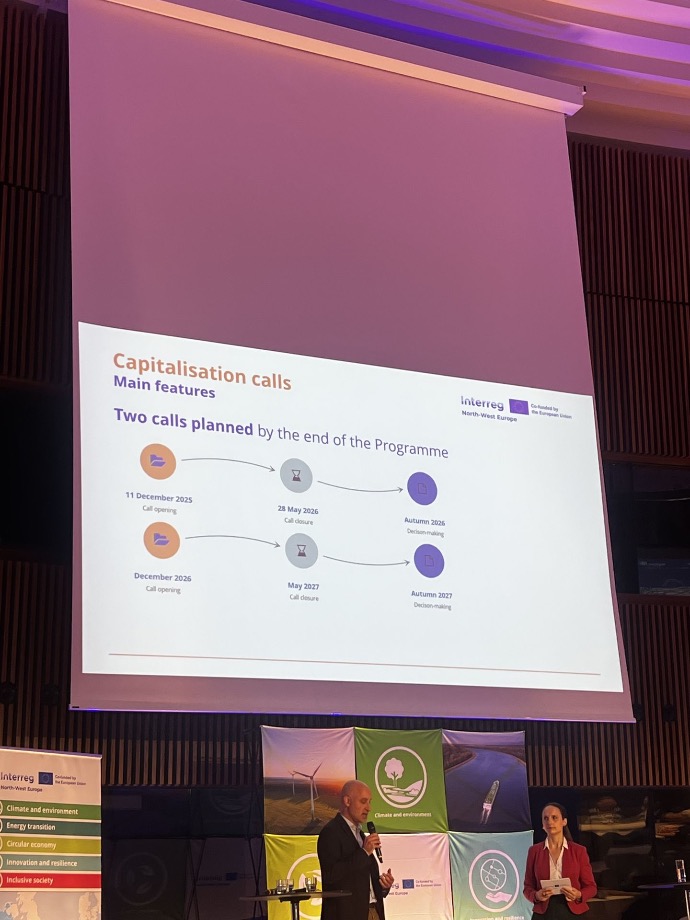
Key policy-oriented insights from the plenary sessions
The plenary sessions emphasised that project impact must extend beyond the funding period. Speakers highlighted the need to move from isolated project outcomes towards structured mechanisms for uptake, replication and policy integration.
Key messages included:
the importance of making project results transferable and accessible for a wide range of stakeholders,
the role of projects in supporting evidence-based policymaking,
and the responsibility of programmes such as Interreg NWE to facilitate long-term learning and cross-regional collaboration.
These themes strongly align with the ambitions of CIRCUS, which focuses on developing tools and methodologies that can be applied by communities, local authorities and intermediary organisations across different regional contexts.
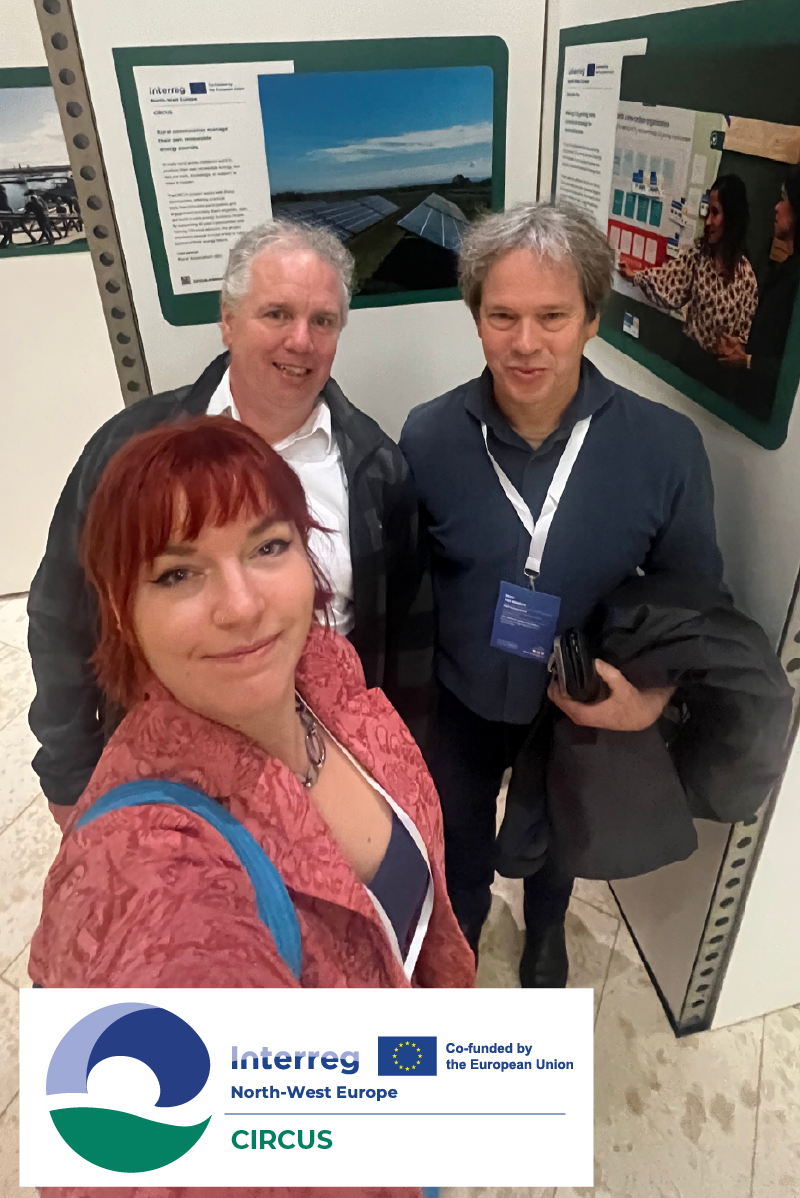
Community-led energy transitions: lessons from Track 4
In the afternoon, several sessions within Track 4: Community-led energy transitions provided concrete insights into the enabling conditions for local energy initiatives.
Across different projects, speakers stressed that successful community-led energy transitions depend on:
early and meaningful involvement of local communities,
trust-building between citizens, local authorities and other stakeholders,
and the availability of practical, step-by-step tools that support communities in moving from awareness to implementation.
Rather than prioritising technological solutions alone, the sessions highlighted the importance of governance, participation and social innovation, reinforcing the relevance of integrated, people-centred approaches.