Sometimes, when talking about energy communities, an important question arises: what role should municipalities play in these projects? In Fégréac and Avessac, two municipalities in the Pays de la Loire region of France, the answer became clear in 2021. Together, they decided to develop a wind farm project themselves, with the aim of excluding private developers and keeping control of the project within their own territory.
To make this ambition possible, they joined forces with local partners. SEM Enr 44 provides technical support, while EPV helps engage and recruit local citizens who are willing to participate and invest in the initiative. From the very beginning, the municipalities considered direct citizen involvement essential to building local support for the project.
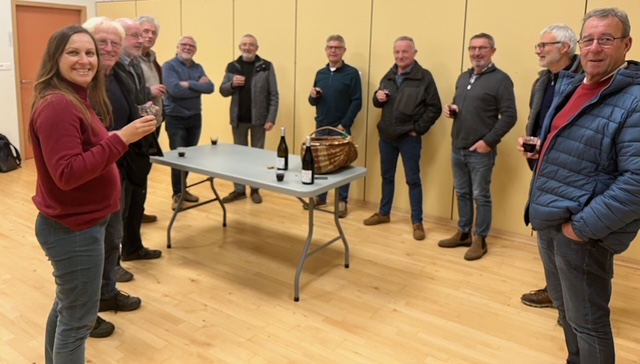
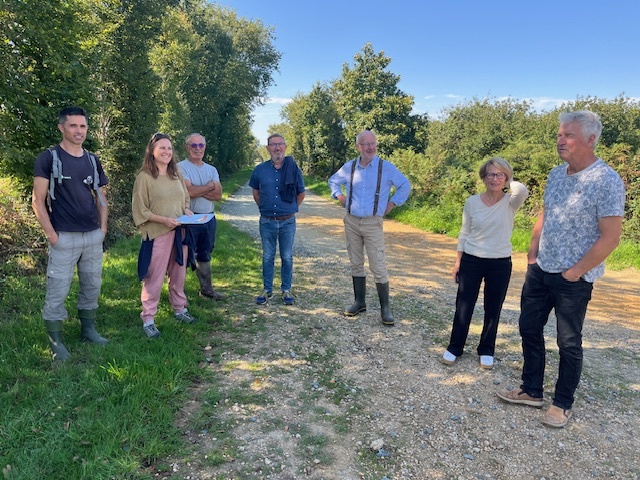
Today, around twenty active citizens are directly involved in the project and participate in the decision-making process. In addition, 75 local residents have already invested financially in the initiative.
After five years of development, the project is now entering its final study phase. An application for building permission for four wind turbines is expected to be submitted by the end of the year.
Although the project is progressing well, the partners often compare the experience to “climbing the mountains during the Tour de France.” Along the way, they have faced many challenges: convincing farmers and landowners to sign land agreements, reassuring members of both municipal councils that developing a wind project independently was the right decision, and proposing significant environmental measures to reduce the project’s impact on bats.
Despite these obstacles, the motivation of the partners has never faded. On the contrary, they remain more united than ever.
For ZLTO,the Dutch partner, in Roosendaal, who were searching for inspiring examples and resources for their breakout sessions, the Facéole project quickly became an obvious reference point. Built with local partners and supported by citizen investment, it demonstrates how community-led energy projects can strengthen local ownership, trust and long-term engagement.