The exceptional heatwave that swept across western France became an unexpected backdrop for this year's CIRCUS Event in Redon. While the public Citizen Energy Meetings, expected to welcome around 300 participants, unfortunately had to be cancelled for safety reasons, the international CIRCUS programme continued, bringing together European partners, pilot communities and fellow Interreg projects for three days of learning, collaboration and exchange.
In many ways, the weather reinforced the very reason why projects like CIRCUS exist: supporting rural communities in building more resilient, sustainable and locally driven energy systems.
A programme built around collaboration
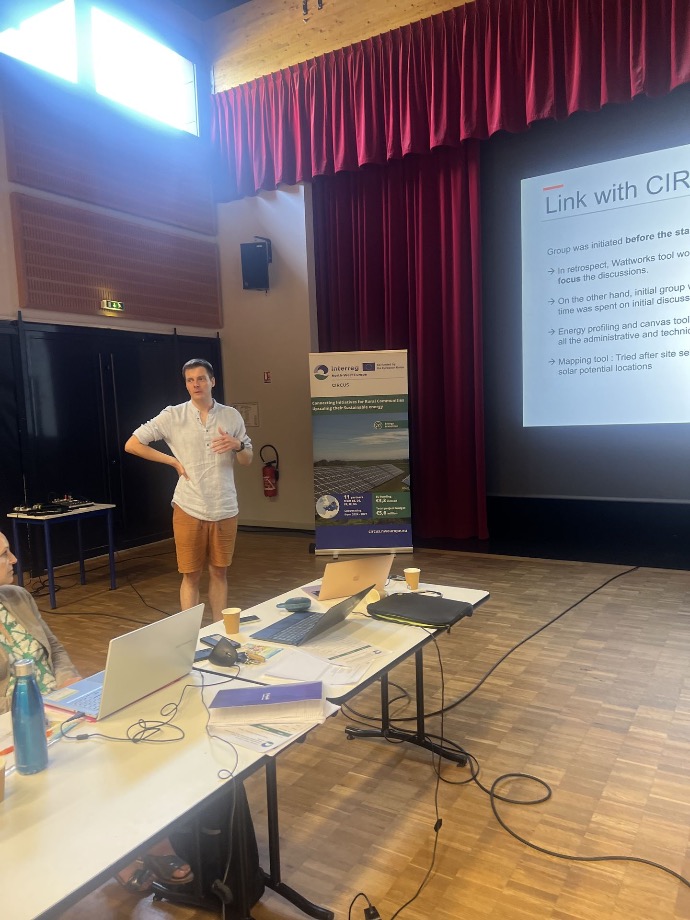
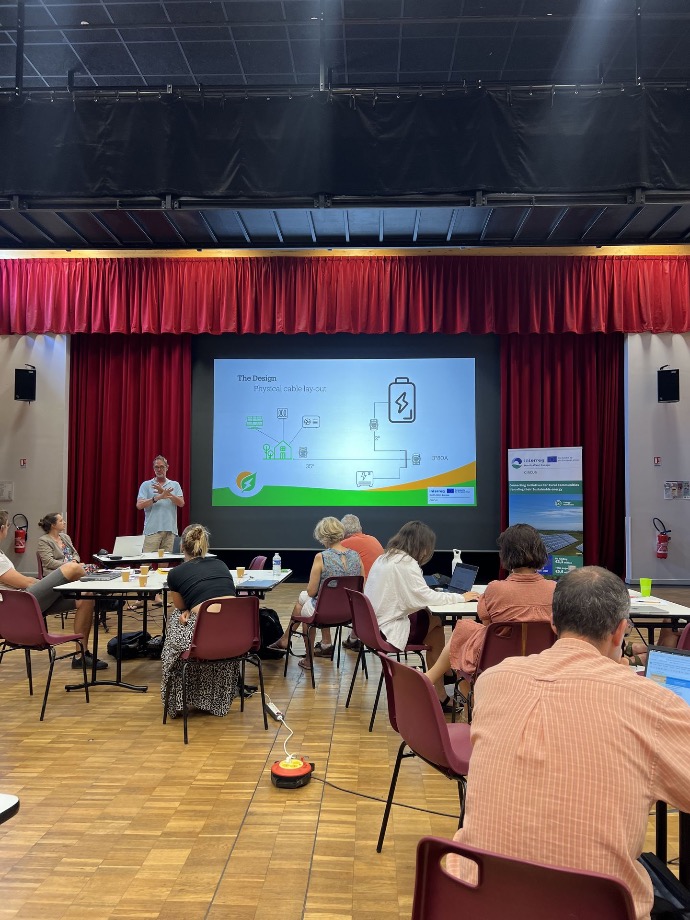
The Redon Event combined practical workshops, international exchanges and local site visits, creating opportunities for participants to share experiences and learn from one another.
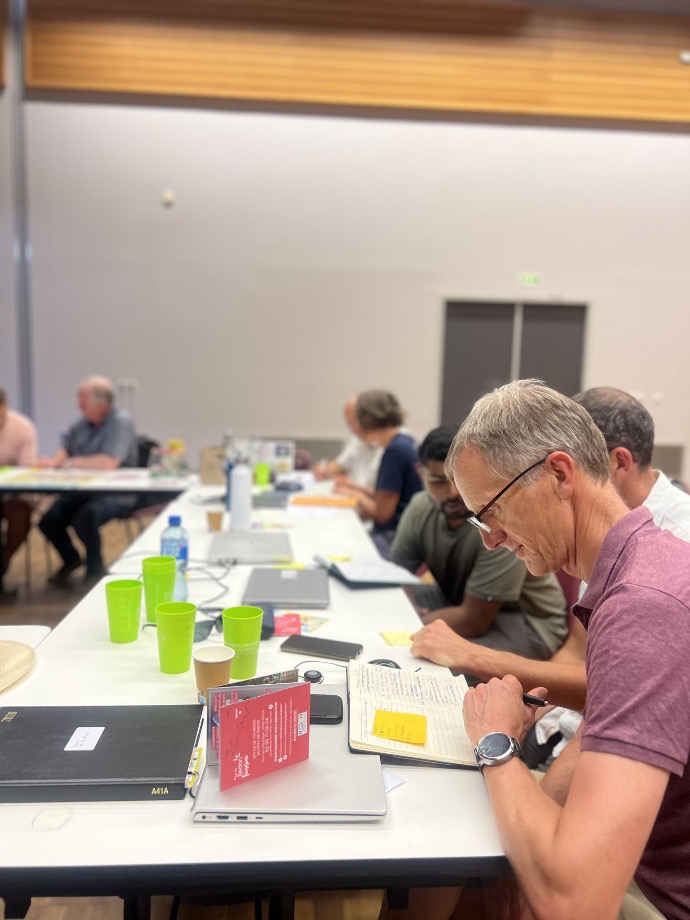
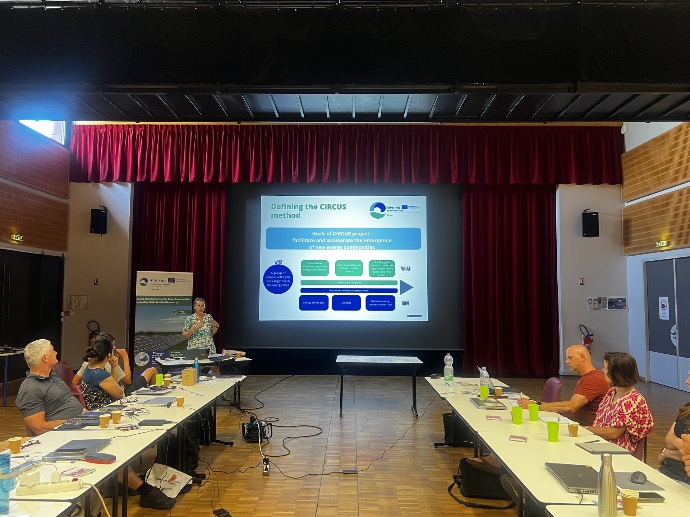
One of the key moments was the presentation and testing of the first complete version of the CIRCUS Ambassador Training Programme, developed by Énergie Partagée (EPV) and RÉCIT. Throughout a series of interactive sessions, participants explored the training materials and provided valuable feedback to further strengthen the programme before its first public edition launches in France this October.
Designed to support future ambassadors, the training translates the CIRCUS methodology into a practical approach that helps guide rural communities through the development of renewable energy initiatives.
Connecting projects, sharing knowledge
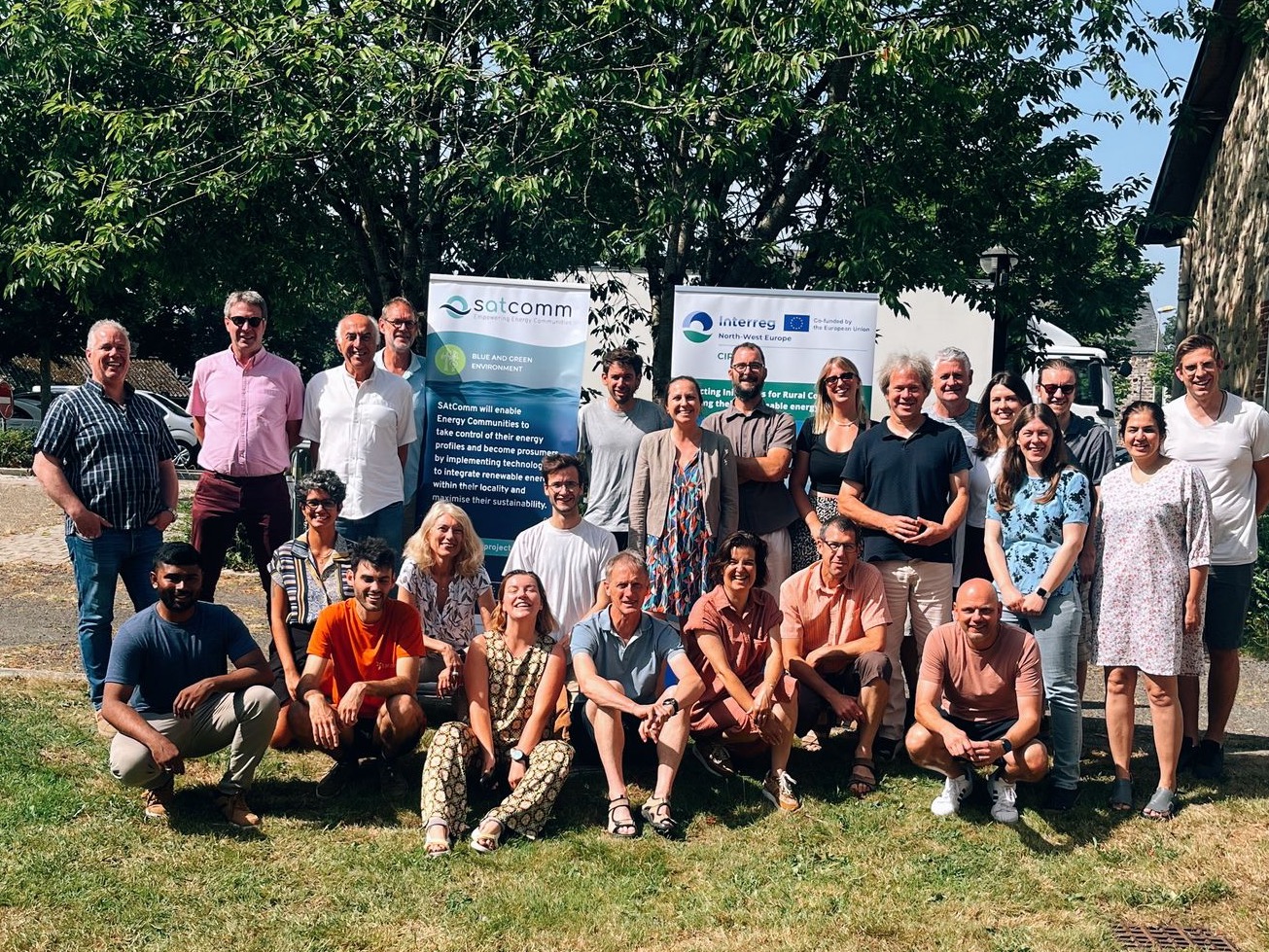
A highlight of the event was the "Roll Up for the Magical Renewable Energy Communities Tour" workshop, which brought together not only CIRCUS partners but
also representatives from the Interreg SMARTCORE and SATCOMM projects.
Rather than focusing solely on individual project results, discussions explored
a broader question: how can the knowledge, methodologies and tools developed
within European projects continue creating impact after the projects officially end?
These exchanges demonstrated the added value of Interreg cooperation,
where projects can inspire one another, identify synergies and work towards
lasting outcomes for communities across Europe.
Learning from communities putting ideas into practice
The Redon Event also gave participants the opportunity to hear directly from communities already applying the CIRCUS methodology.
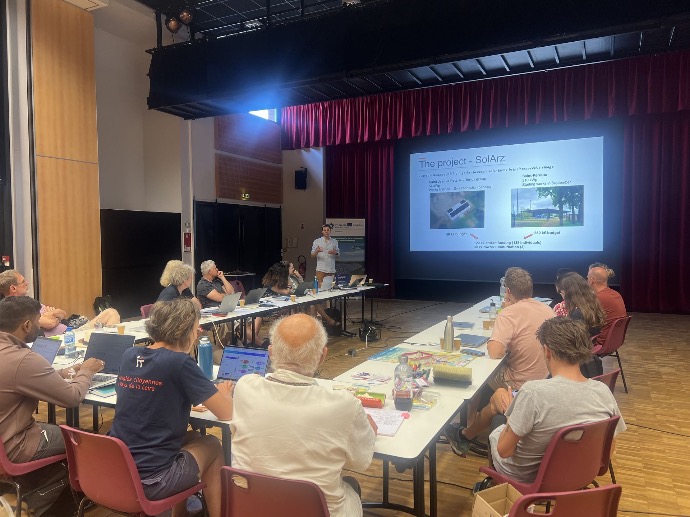
Members of Solarz, one of the French pilot communities, shared their experiences and reflected on the importance of collaboration, trust and group dynamics when developing local energy initiatives. Their story demonstrated that successful energy communities rely just as much on people and participation as they do on technology.
Knowledge sharing continued during exchanges between the Énergie Partagée network and partners from Belgium and the Netherlands, who presented practical examples of community battery storage. As battery systems are already more widely implemented in these countries than in France, the discussions provided valuable inspiration for future developments.
Although several sessions had to move online because of the extreme temperatures, eleven workshops were successfully organised via videoconference, ensuring that the exchange of knowledge continued throughout the event.
Inspiration from the field
No CIRCUS event would be complete without connecting discussions to real-life examples.
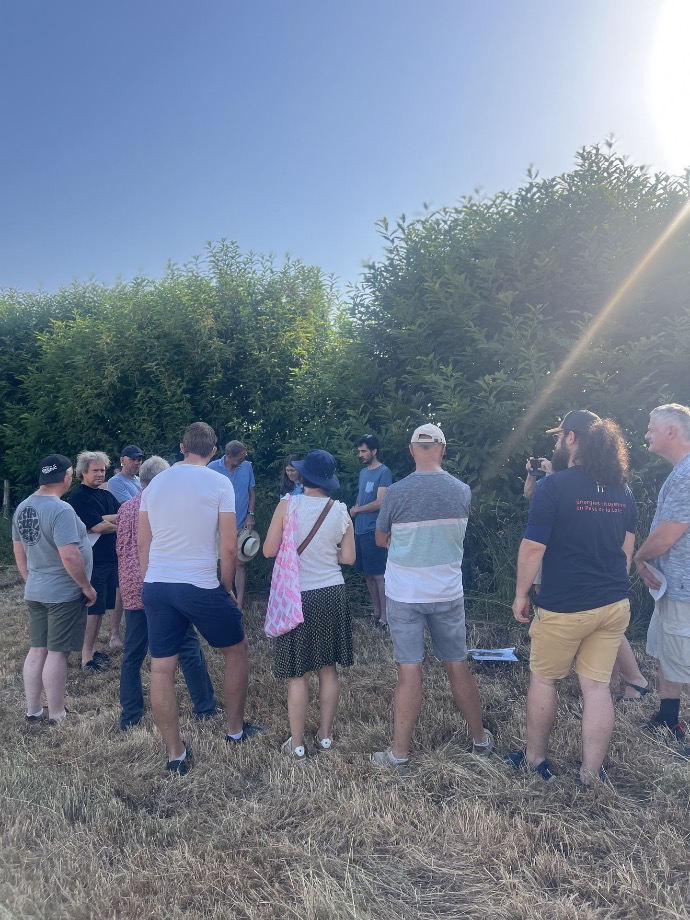
Participants visited the district heating network in Fégréac, where locally sourced wood fuels a renewable heating system supplied through a sustainable local value chain. Together with members of the Fégréac-Haies association, participants discovered how careful hedgerow management contributes not only to biodiversity, but also to local renewable energy production.
The visit also brought together members of Choco BN, another French CIRCUS pilot community, who shared how they are encouraging similar locally rooted initiatives throughout northern Loire-Atlantique.
Despite the exceptional weather conditions and last-minute programme changes, the Redon Event delivered exactly what it set out to achieve: bringing together people, projects and communities to exchange experiences, strengthen collaboration and inspire new ideas for the future of rural energy.
Because while the heatwave may have disrupted the original plans, it also reminded everyone why the transition towards resilient, community-led energy systems cannot wait.
Next stop: Karlsruhe.