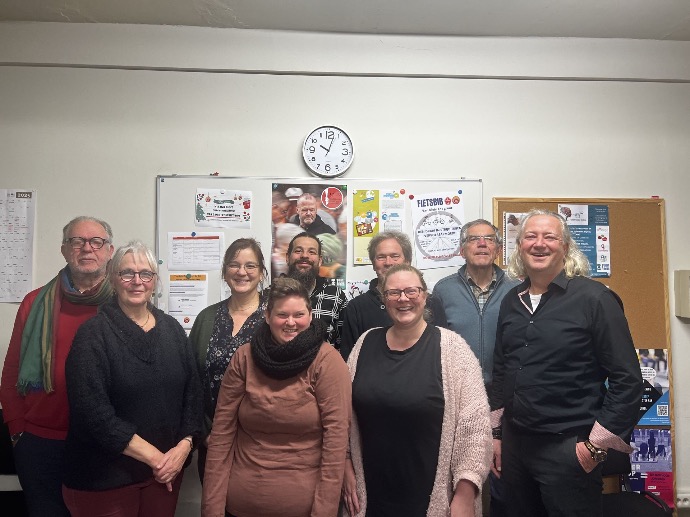
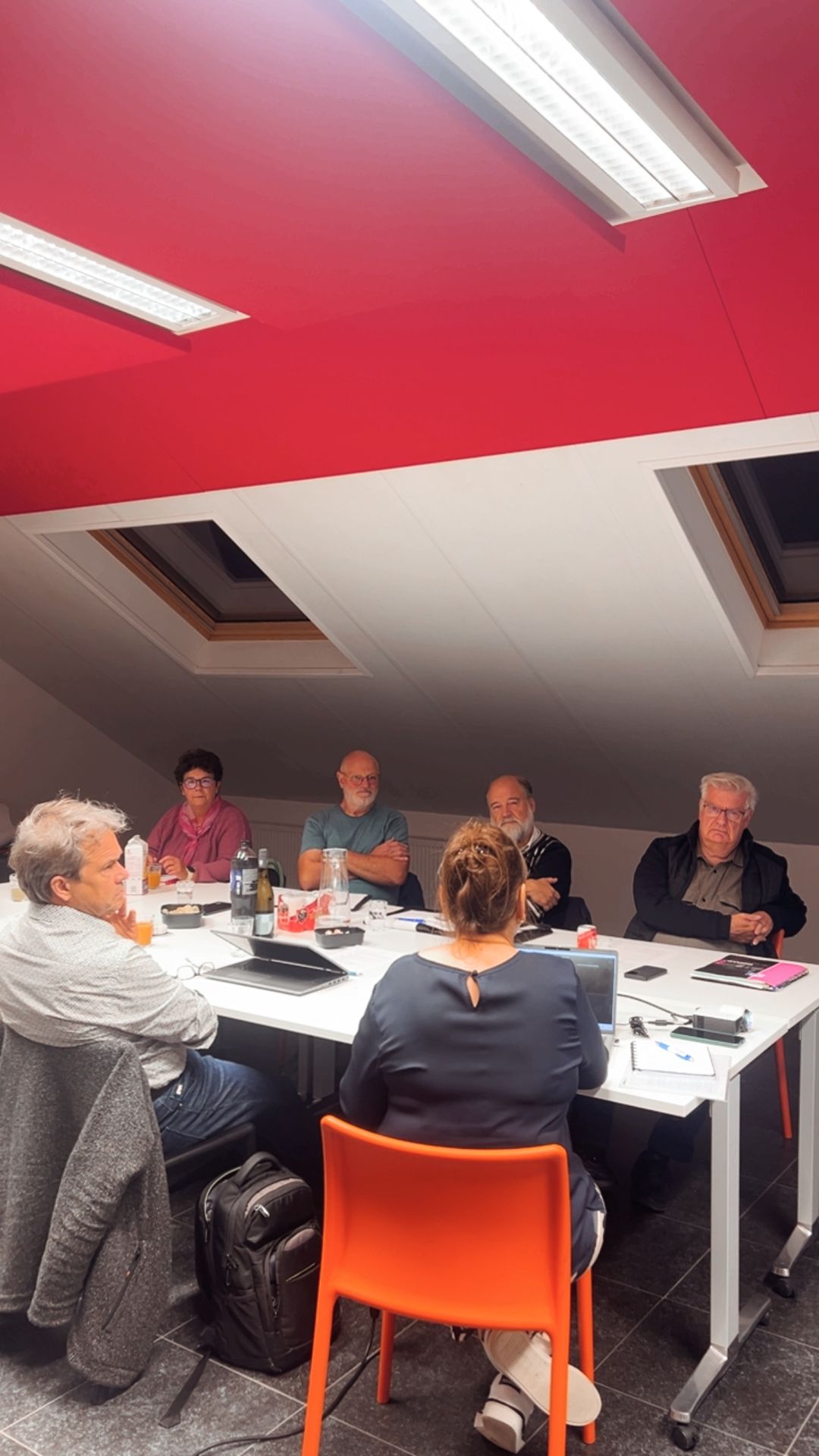
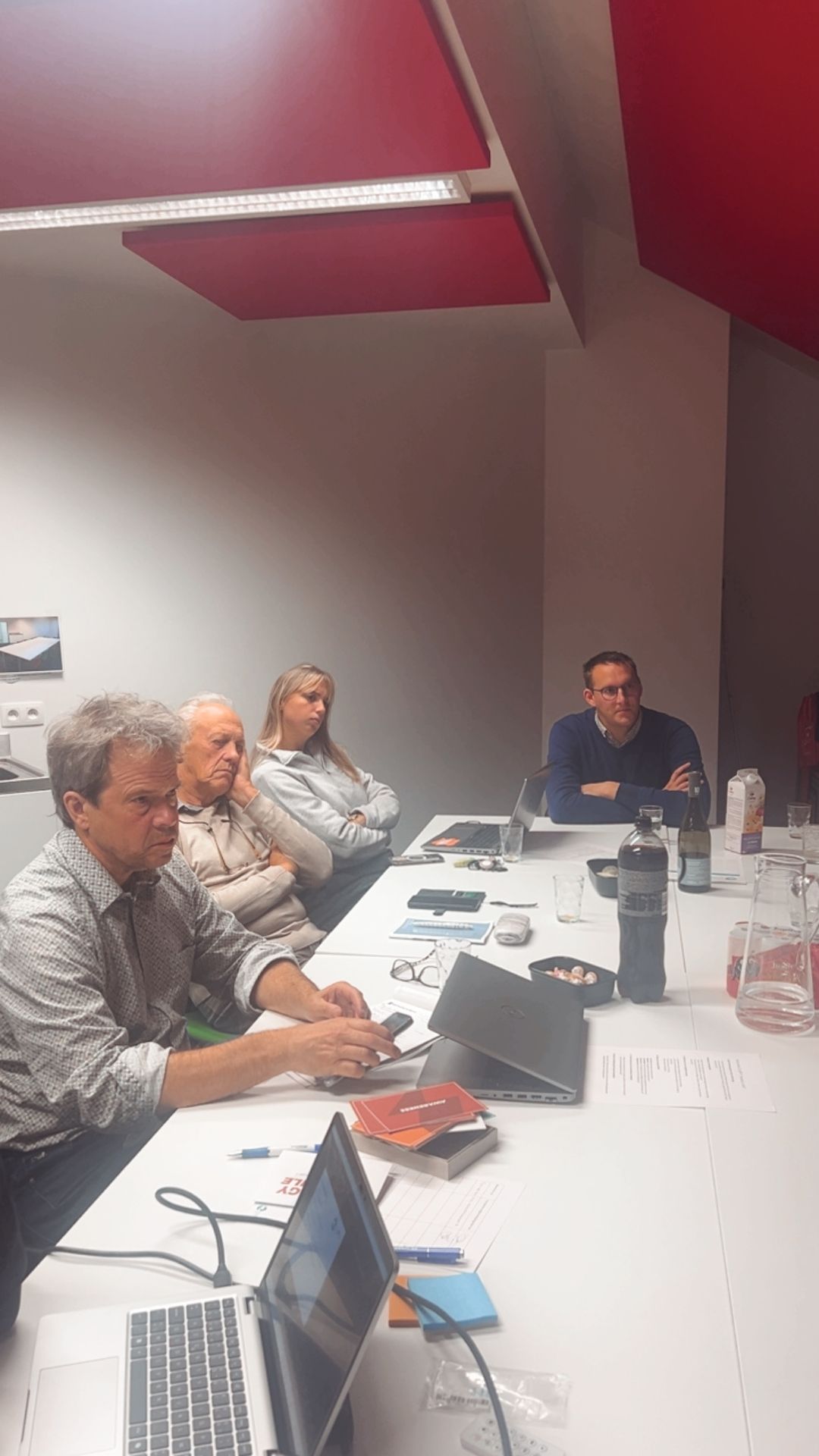
As part of the Interreg NWE CIRCUS project, six Belgian pilot communities are actively testing and shaping the CIRCUS methodology. Three are guided by Landelijke Gilden, three by Boerenbond, and one by RURANT, together forming a diverse learning landscape that stretches from rural villages to mixed neighbourhoods and agricultural areas.
These communities are not simply “testing tools”; they are moving step by step through the CIRCUS participation pathway, starting with awareness-building through WattWorks, followed by an in-depth understanding of local energy behaviour using the Energy Profile Toolset. Their feedback forms a crucial foundation for scaling the method throughout Europe.
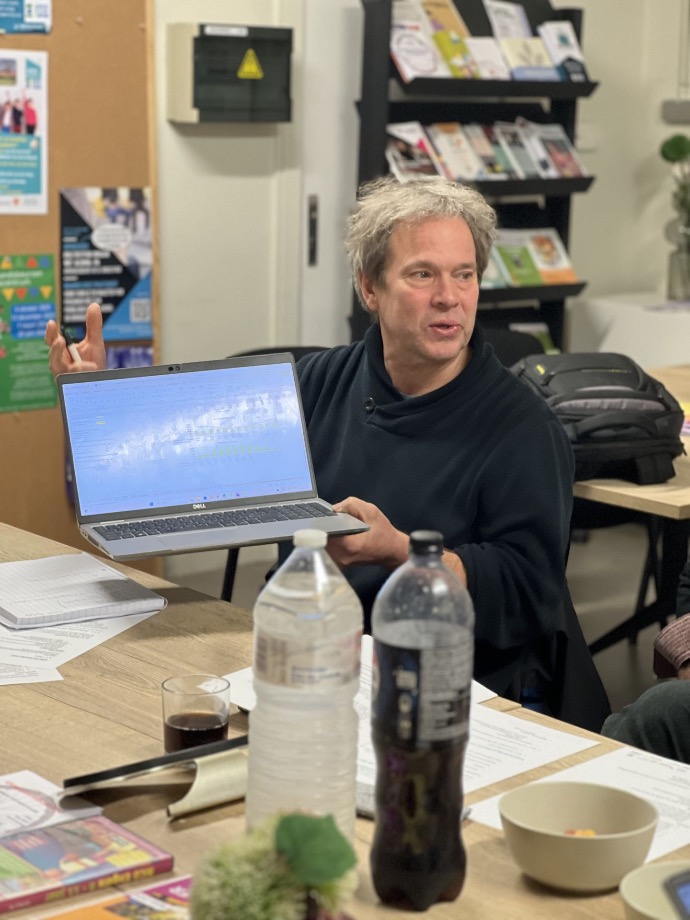
WattWorks as the Starting Point: Building Shared Awareness
The CIRCUS methodology begins with WattWorks, the participation game designed to help communities explore:
What energy means in daily life,
How individual and collective behaviours influence demand,
Which local opportunities exist for change,
And how a shared energy vision can emerge.
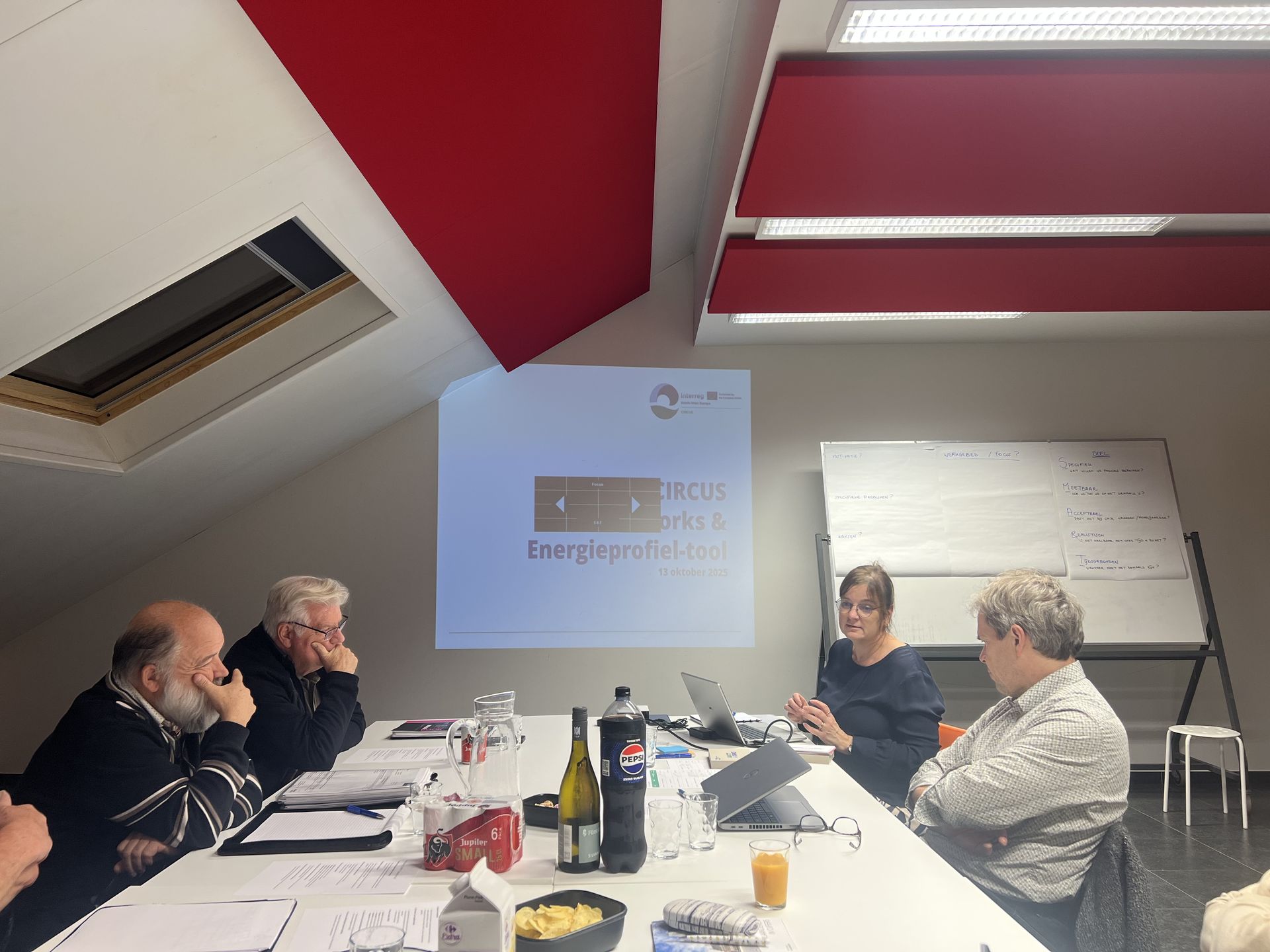
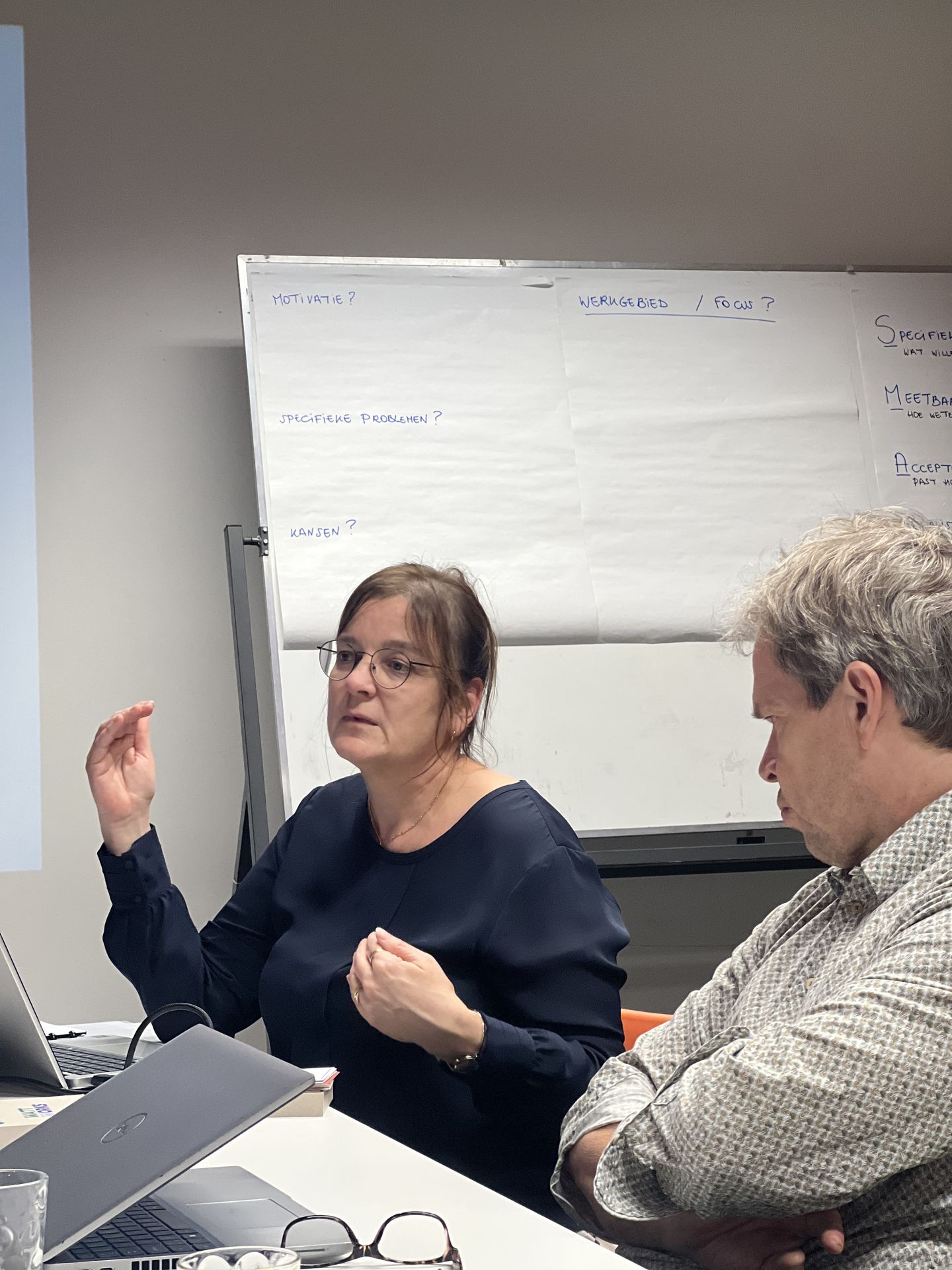
Belgian pilot groups used WattWorks to establish a common understanding, lower the threshold for participation, and identify the themes most relevant to their community. This first social, interactive step proved essential: creating trust, curiosity and a sense of direction.
Phase 1: Awareness through the Energy Profile Toolset
After their initial WattWorks sessions, the communities moved into the first analytical phase of the CIRCUS method: Awareness. Here the Energy Profiling Tools (A1.1, A1.2, A1.3) support residents and municipalities in understanding:
How they consume energy,
Where the biggest impacts lie,
How seasons influence demand,
And which interventions could be meaningful.
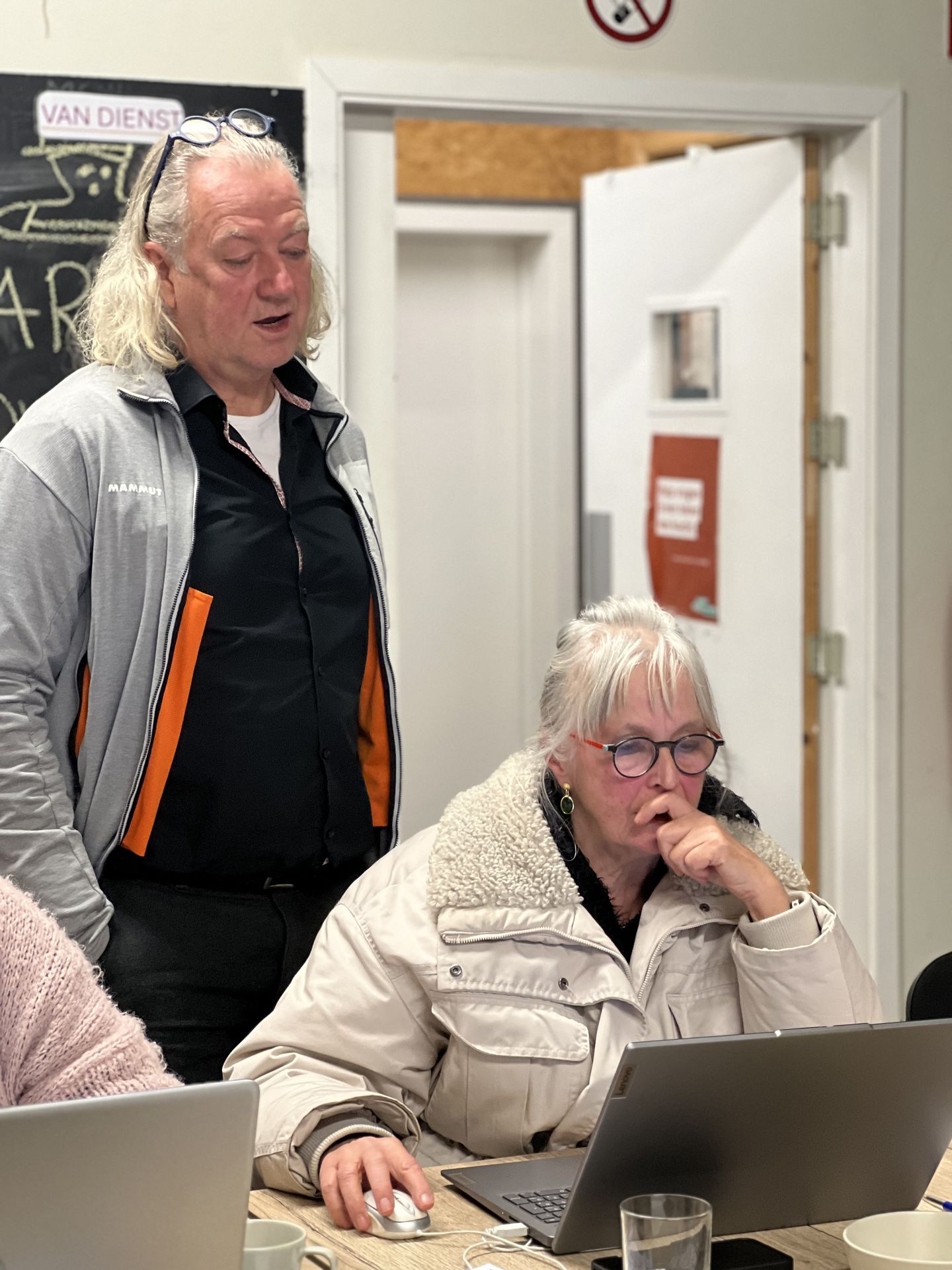
The Belgian pilots tested these tools extensively, providing rich and actionable feedback that is now shaping the development of the entire CIRCUS toolkit.
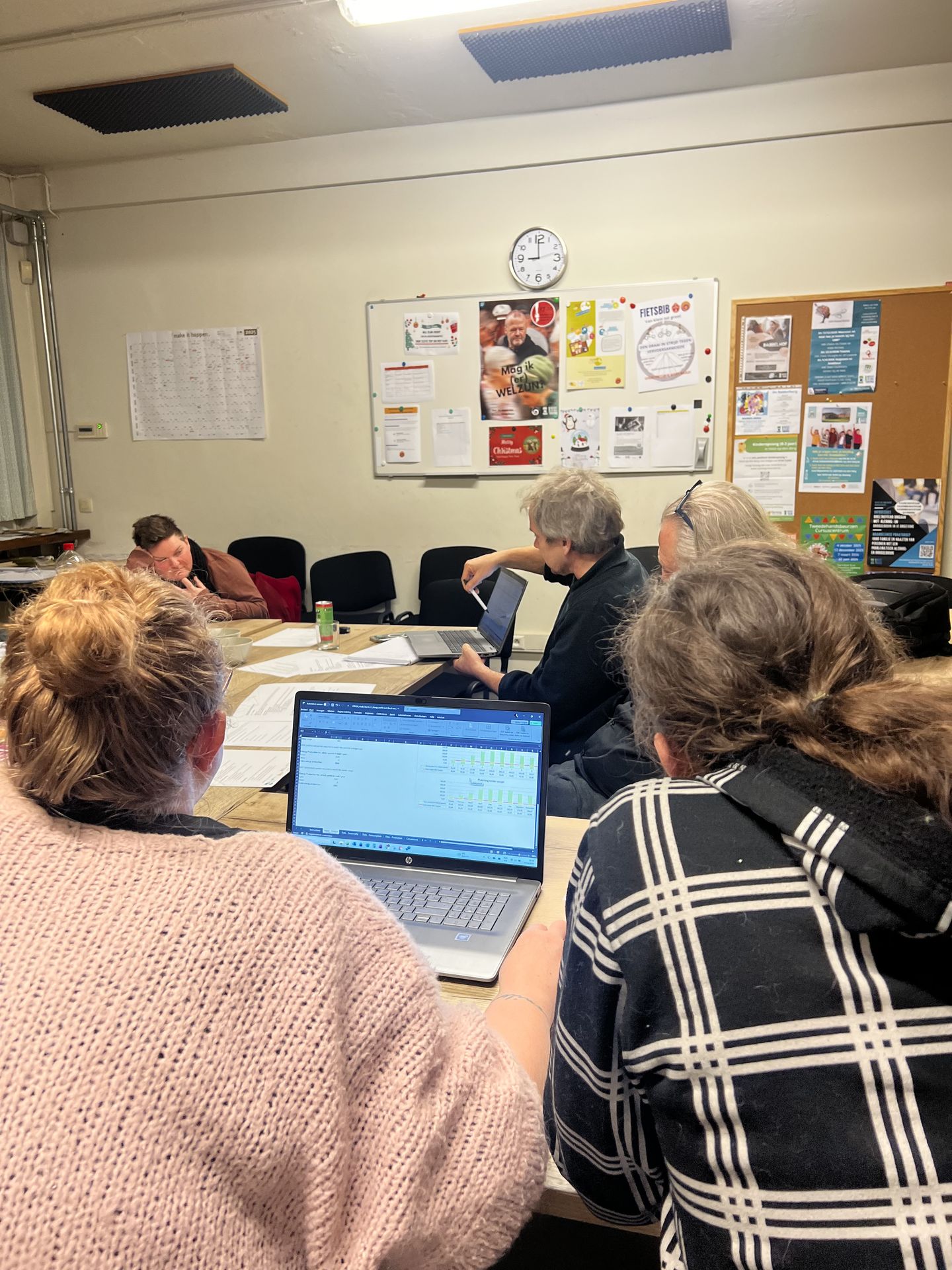
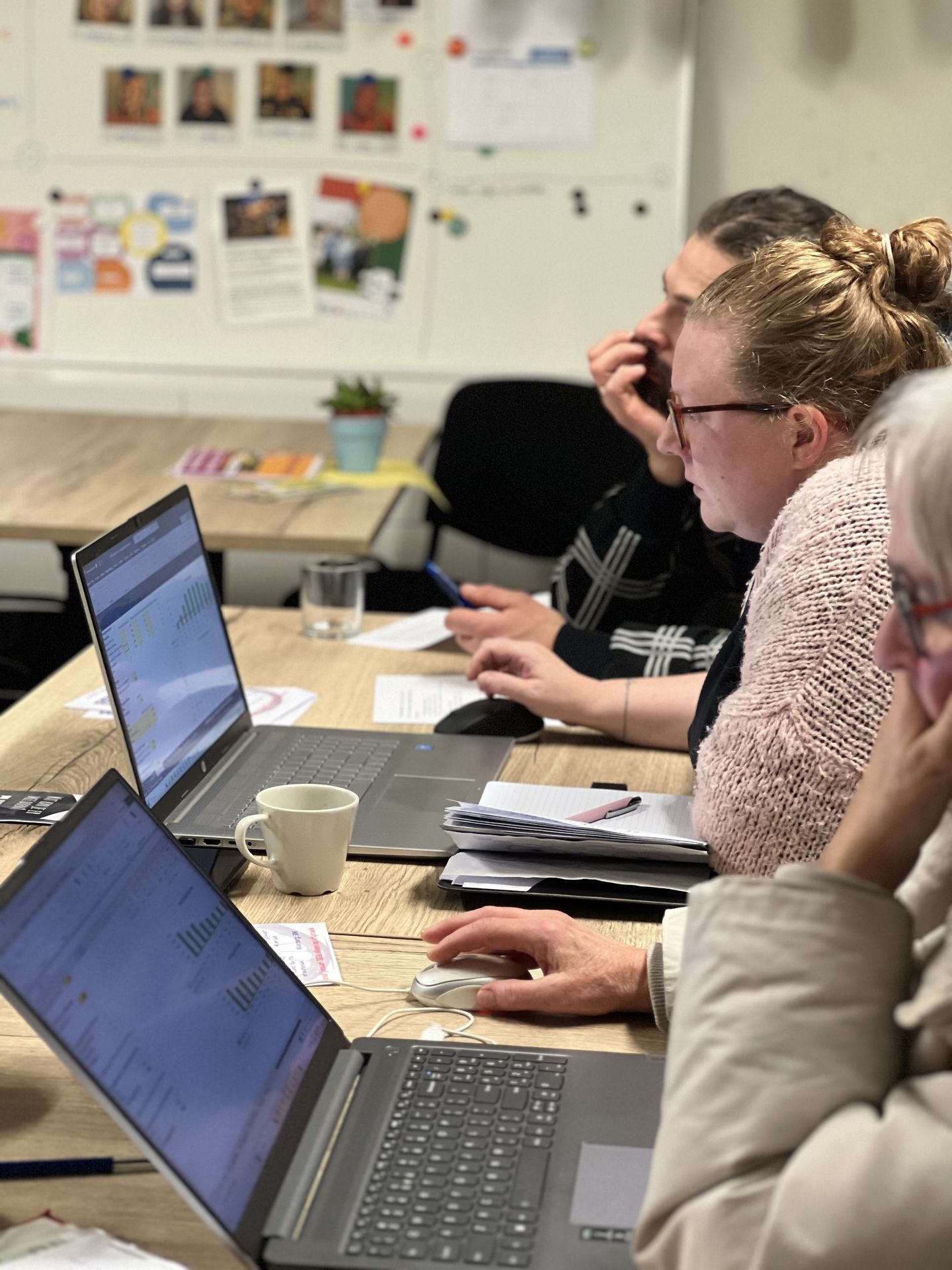
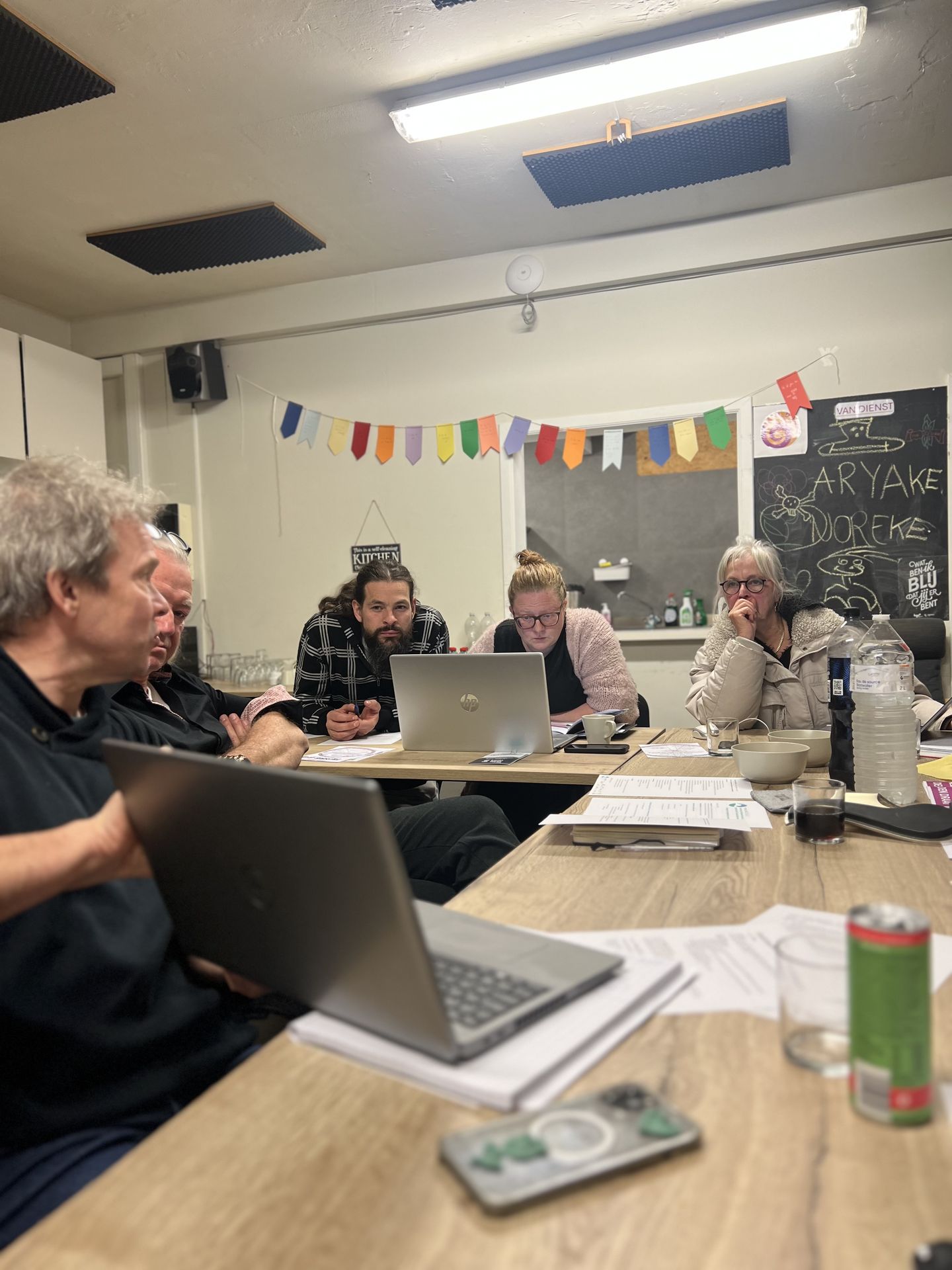
Below we highlight key findings from two detailed pilots guided by Landelijke Gilden: Heist-op-den-Berg and Ranst.
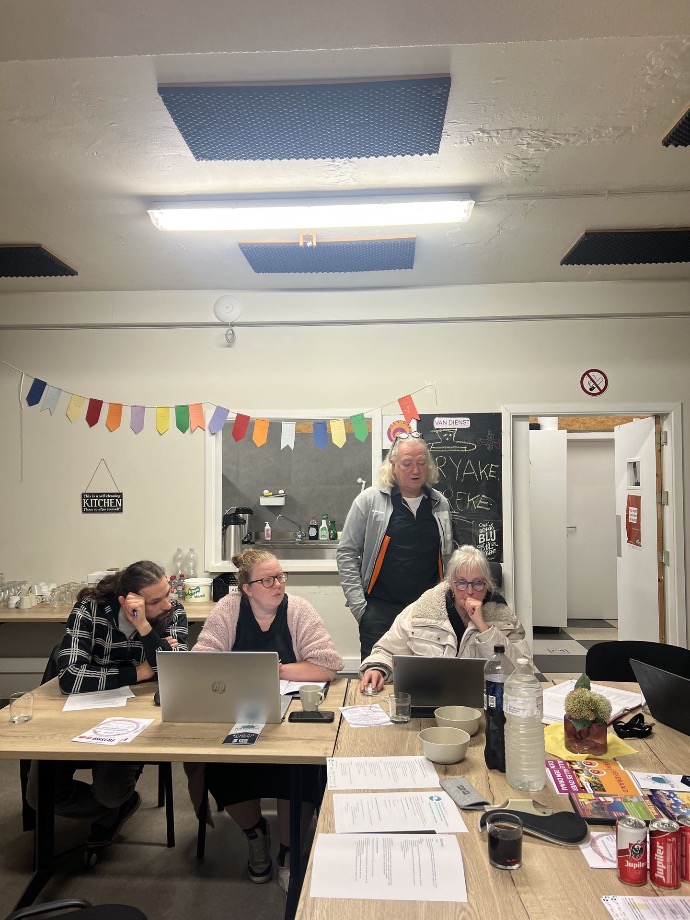
Insights from Heist-op-den-Berg:
Turning data into shared understanding
`A1.1 – Simple Excel Tool
Participants found the tool extremely helpful for visualising seasonal imbalances, especially the gap between solar production in summer and consumption in winter.
They emphasised the need for:
clear explanations,
large enough user groups for meaningful data,
additional options (e.g., warm networks, mobility details, small wind turbines).
A1.2 – Forms-Based Tool
Valuable, but requires:
clearer instructions and a logical question sequence,
flexibility for residents without digital meters,
distinction between heating systems and mobility patterns.
A1.3 – Google Maps Tool
Highly appreciated for advanced groups, renovation discussions and neighbourhood-level insights, particularly useful once baseline data is already collected through earlier tools.
By combining these three tool levels, Heist-op-den-Berg created a shared understanding of their energy situation that complements the social insights from WattWorks.
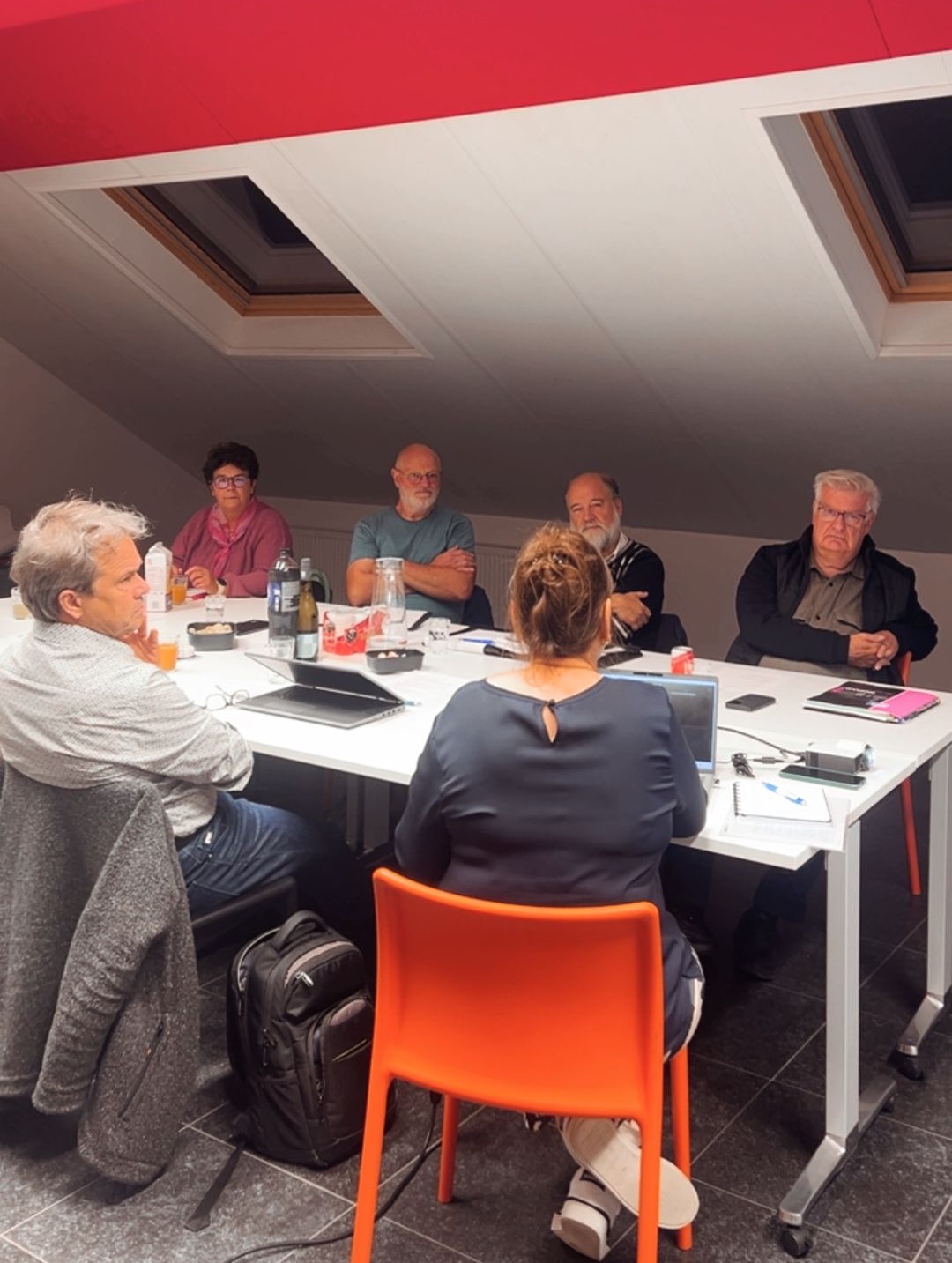
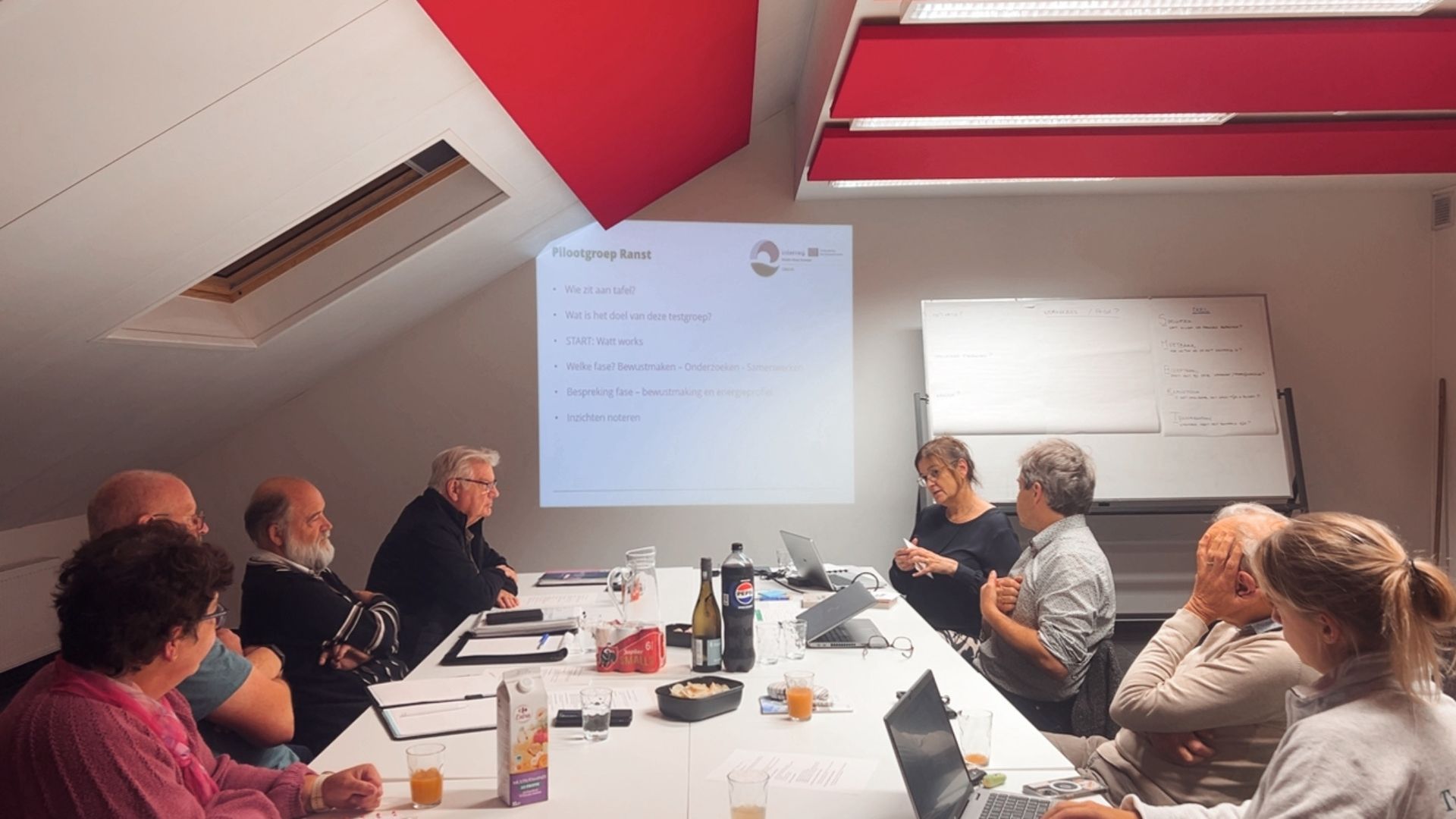
Insights From Ranst:
When citizen data meets municipal strategy
Data availability and flexibility
Many households do not yet have digital meters, prompting the need for annual instead of monthly input options, and clearer integration of solar injection and fuel oil use.
Technical improvements
Participants highlighted small but important refinements such as avoiding text in Excel formulas and ensuring clear guidance for different heating and mobility configurations.
Municipal interest
Ranst quickly identified how the toolset could support:
- renovation planning for public buildings,
- climate strategy development,
Here too, the Energy Profile Toolset amplified the narrative built earlier through WattWorks: translating local insights into actionable pathways for policy and community action.
After completing the Awareness phase, Belgian pilot communities go back to WattWorks not to repeat the first exercise, but to deepen and refine the collective understanding based on their energy data.
This second WattWorks round helps the group to:
Reflect on the new insights,
Discuss concrete behavioural or structural changes,
Prioritise collective ideas,
Explore new scenarios,
And prepare for local decision-making.
In CIRCUS, WattWorks functions as both an entry point and a transition bridge between phases, ensuring that technical data always feeds back into social dialogue.
Phase 2: From awareness to action:
testing the GIS Tool
After this second round of participatory reflection, the Belgian pilots move into Phase 2 of the CIRCUS method, where they begin testing the more advanced GIS Tool.
This tool supports:
neighbourhood-level mapping,
identification of renovation clusters,
potential sites for collective energy initiatives,
and visualisation of how local energy systems interact.
It is particularly suited for communities that already completed:
WattWorks introduction,
Energy Profile awareness building,
WattWorks reflection,
and are now ready to explore concrete pathways for change.
Ranst and Heist-op-den-Berg are already planning the next steps of this process, while the other Belgian pilots, guided by Boerenbond and RURANTfollow the same CIRCUS methodology in parallel.
Conclusion: Belgium as a Living Laboratory for CIRCUS
With six pilot communities actively testing and co-creating the CIRCUS method, Belgium is acting as a living laboratory for European rural energy transition.
The combination of:
WattWorks (participation)
Energy Profiling Tools (awareness)
WattWorks (reflection + prioritisation)
GIS tool (pathway development)
is proving to be a powerful sequence for supporting communities in their journey from understanding to action.
The feedback from these Belgian pilots is already refining the tools for broader international use, ensuring that the CIRCUS methodology remains practical, human-centred, and scalable for rural energy transitions across Europe.