With the Dutch energy market shifting rapidly marked by grid congestion, feed-in penalties, and the phase-out of net metering - local energy communities must rethink how they manage power. In the Dutch village of Almen, energy cooperative LochemEnergie is working alongside active residents to move from individual generation to local energy sharing and storage. In this article, we share our practical experiences and how we use the European CIRCUS tools to facilitate this transition.
The Local Context: A Highly active village with a long solar history
Almen is a vibrant village of around 500 households within the municipality of Lochem (The Netherlands). It is a tight-knit community with a strong tradition of collective action, ranging from running the local supermarket and museum to organizing village maintenance and social initiatives.
This collective spirit is also reflected in their energy transition. Many residents in Almen adopted solar energy early on. For years, the approach was straightforward: cover your roof with as many photovoltaic (PV) panels as possible. Today, that long-term investment faces a new reality. Grid congestion is growing, and energy suppliers are introducing feed-in penalties for excess power returned to the grid. The advice has fundamentally shifted: from maximizing panel capacity to matching generation with household consumption on a typical spring or autumn day.
Facing these changes, the residents of Almen approached LochemEnergie with a practical question: How can we transition from individual solar generation to actively sharing and storing energy within our own village?
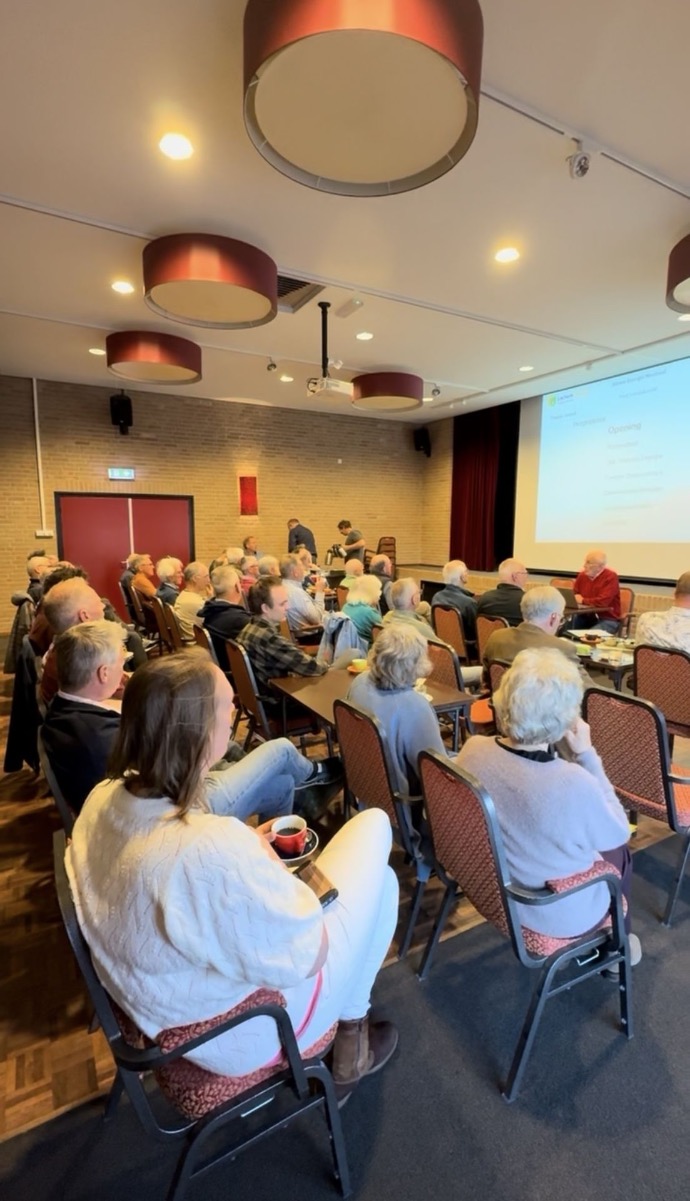
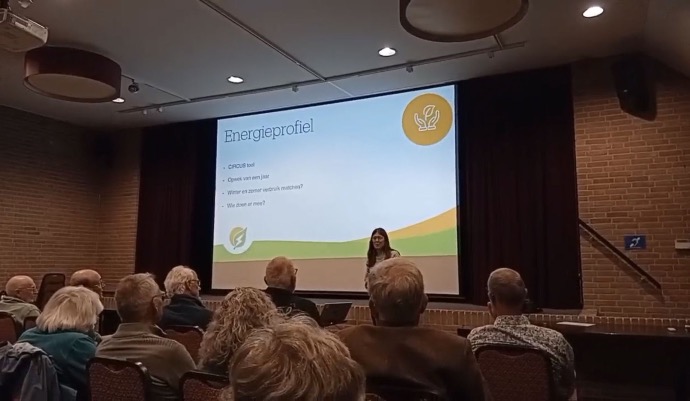
Integrating the CIRCUS Tools into the dialogue
To guide these conversations, LochemEnergie uses a set of tools developed
alongside 11 European partners within the CIRCUS project
(Connecting Initiatives for Rural Communities, Upscaling their Sustainable energy).
Creating an energy community involves understanding local generation data,
physical grid constraints, and most importantly keeping residents engaged.
The CIRCUS framework provides four specific tools that LochemEnergie
uses to support this dialogue:
The Energy Profile Tool: Designed as a discussion starter, this tool visualizes
the community's energy generation and consumption month by month over
the course of a full year. It gives residents a clear, shared picture of their energy landscape and helps anchor conversations in real data.
The GIS Tool (Geographic Information System): Provides spatial visualisations
of energy assets, building types, and potential grid constraints within the village.
The Business Models Tool: Assists in exploring viable financial models for energy sharing, including the strategic role of energy storage (batteries) to absorb generation peaks and retain power locally when it is needed most.
WattWorks (The Participatory Tool): Citizen engagement is essential.
WattWorks is an interactive card game that physically guides stakeholders step-by-step through the process of forming an energy community. It brings residents, local authorities, and grid experts together around the table to build mutual trust and
a shared language.
Key Takeaways from Almen for European Cooperatives
Testing this process in Almen provides several important insights for energy communities across Europe facing similar grid limits and market changes:
● Participation precedes technology: It is the existing social fabric of the village that enables turning an intention into a plan and action. High-tech solutions like community batteries and digital energy profiling only work if the social foundation is strong. A tool like WattWorks helps structure conversations, thereby overcoming knowledge differences, aligning intentions, and thus creating a collective plan that is supported widely..
● Reframing the solar narrative: Transitioning away from "maximum generation" to "smart local alignment" requires open, transparent conversations. Visualizing energy profiles on monthly and seasonal basis helps residents understand why local energy sharing, other generation sources and storage are necessary next steps.
● Storage as a community asset: As feed-in fees rise, energy storage is no longer just a technical option, it becomes a key financial and practical component for keeping energy value within the local community. Making sure people understand how it contributes not only to the community, but also to their personal situation is essential, before it is possible to discuss the business model.
The shift from individual feed-in to collective energy sharing is a challenge felt far beyond the Netherlands. By putting the CIRCUS tools into practice in Almen, LochemEnergie shows how structured tools and strong local engagement can go hand in hand. We hope these insights offer valuable inspiration for other European energy cooperatives navigating their own local energy transitions.