Across Europe, the energy transition is often discussed in strategies, targets and long-term plans. But in Ranst, a small municipality in Belgium, it started differently.
It started with a group of volunteers.
Not a project. A community.
The local group in Ranst did not appear overnight.
They grew out of an earlier initiative by Landelijke Gilden called Energiedorpen (Energy Villages), where citizens were invited to think and act around local energy challenges.
Today, this same group is part of the CIRCUS project as a pilot community.
Their role?
testing CIRCUS tools in real-life situations
giving honest, practical feedback
shaping the methodology from the ground up
But perhaps most importantly: they bring energy transition back to where it belongs, within the community itself.
What happens when you give people space
Instead of being told what to do, the group in Ranst was given something else:
space to explore
access to information
and the trust to take ownership
What they did with that was remarkable.
They started collecting data themselves.
They analysed local energy consumption and production. They translated complex figures into a clear, local story.
And then, they did something even more important: They brought that story to the local government.
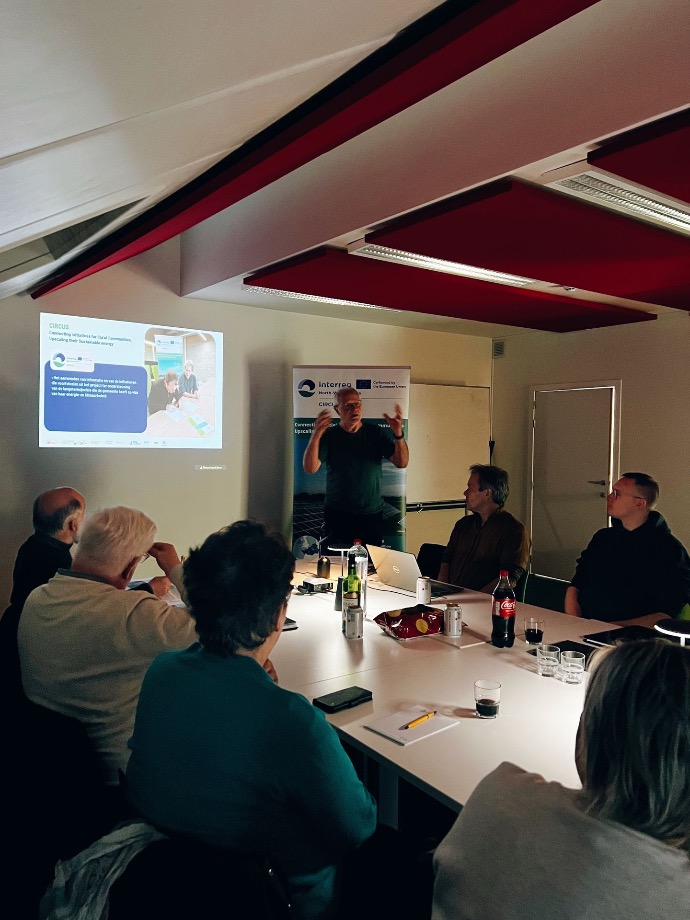
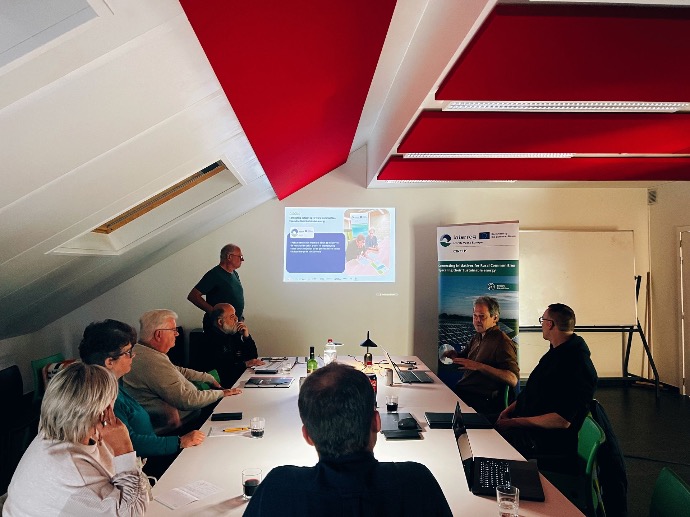
During a recent meeting, the group presented their findings to local councillors.
Not as experts. But as engaged citizens.
They showed that a significant share of locally produced energy is not used locally
meaning both energy and money are leaving the community.
But they didn’t stop at identifying the problem.
They came with solutions:
Plug-in solar panels as an accessible entry point
Targeted use of heat pumps for maximum impact
Local energy storage to keep energy within the municipality
Concrete. Understandable. Actionable.
A different kind
of impact
What made this moment powerful was not just the content. It was the interaction.
Local policymakers took the time to listen.
They engaged in the conversation.
They showed openness to further collaboration.
This is where real change begins:
Not in top-down decisions,
but in mutual understanding between citizens and local authorities.
What can we learn from Ranst?
You don’t need to have all the answers.
You need to create the conditions for others to find them.