One of the greatest challenges in community energy projects is not finding technical solutions. It is creating a shared understanding, building confidence and helping people imagine what change could look like in their own community.
Within the CIRCUS project, pilot communities across North-West Europe are exploring local pathways towards a more sustainable energy future. While every community faces different circumstances, they often share a common need: inspiration, practical examples and a clearer picture of what is possible.
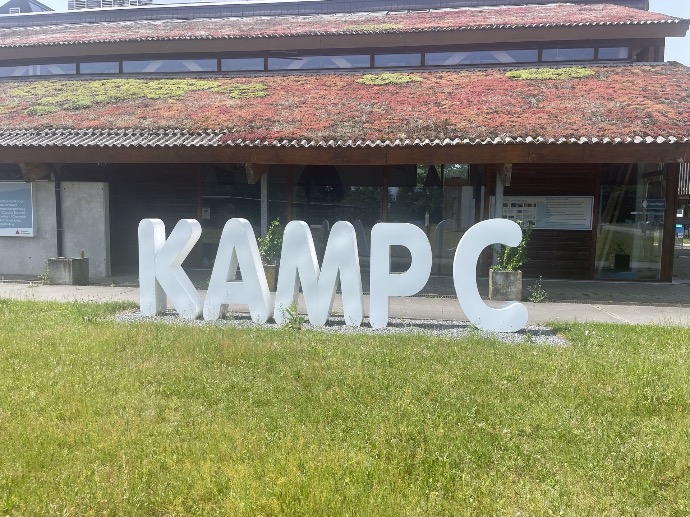
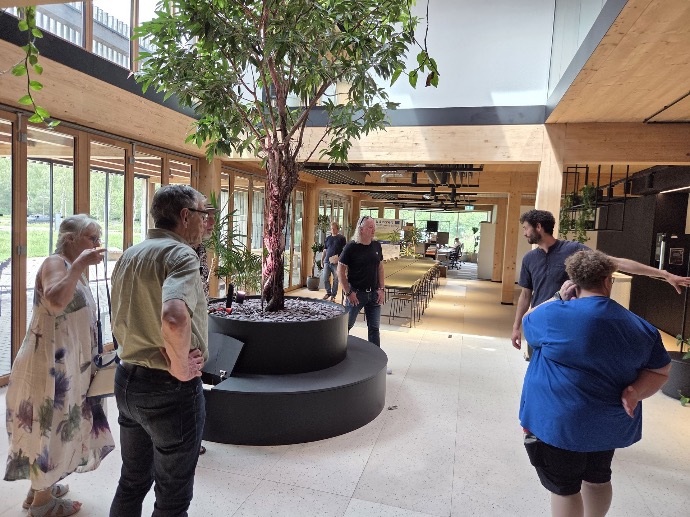
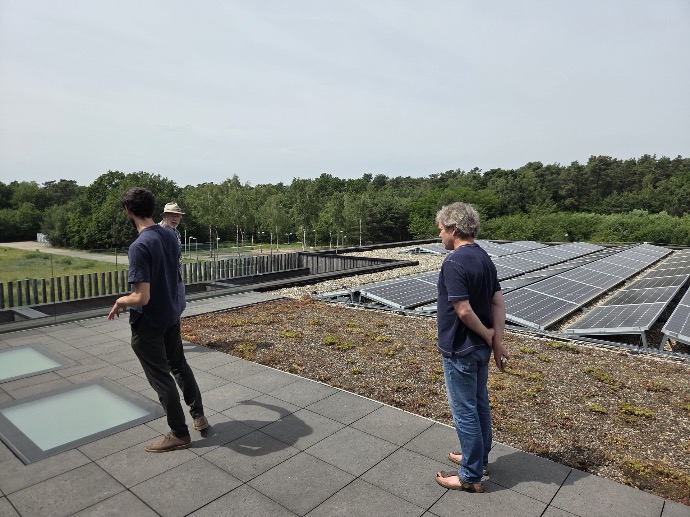
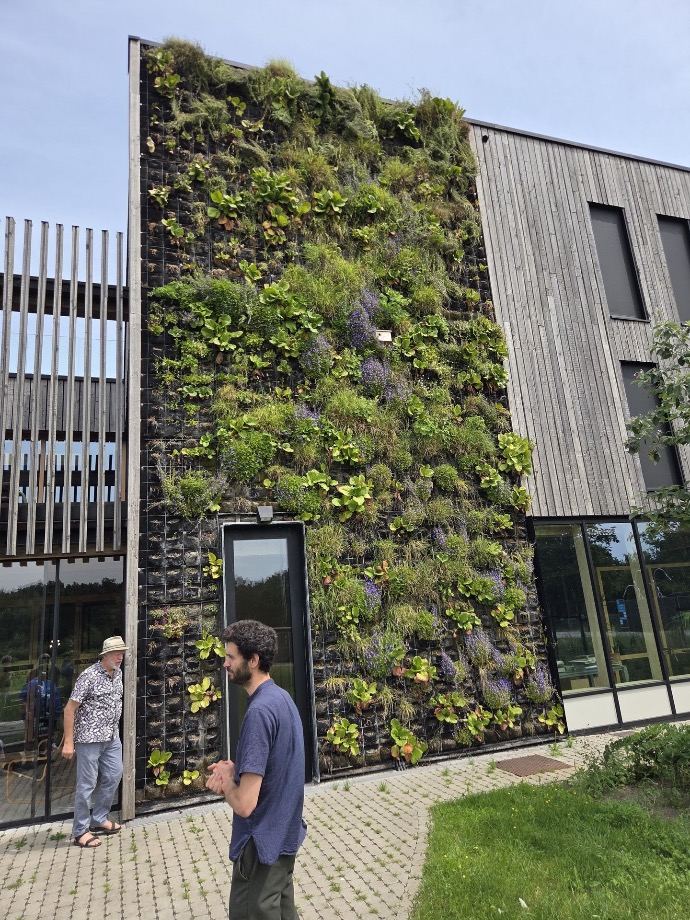
To support this process, the Belgian pilot community Energiedorp-op-den-Berg recently visited Kamp C, a leading innovation centre for sustainable construction, material transition and energy transition.
The visit demonstrated how study tours can become a powerful tool for community engagement and capacity building.
Why study visits matter
Community members often encounter energy transition concepts through presentations, reports or discussions. While these methods are valuable, they can remain abstract.
A study visit transforms abstract concepts into tangible experiences.
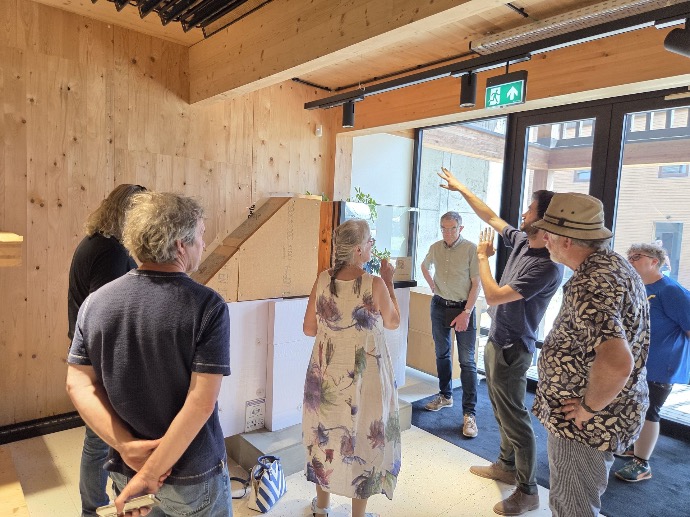
Participants can see technologies in action, ask questions, discuss challenges and explore solutions together. Instead of talking about sustainable construction, they walk through examples. Instead of discussing innovation in theory, they experience it first-hand.
This creates a stronger foundation for meaningful conversations within the community.
Learning from Previous European Projects
An additional benefit of the visit was the opportunity to learn
from expertise developed through previous European cooperation projects.
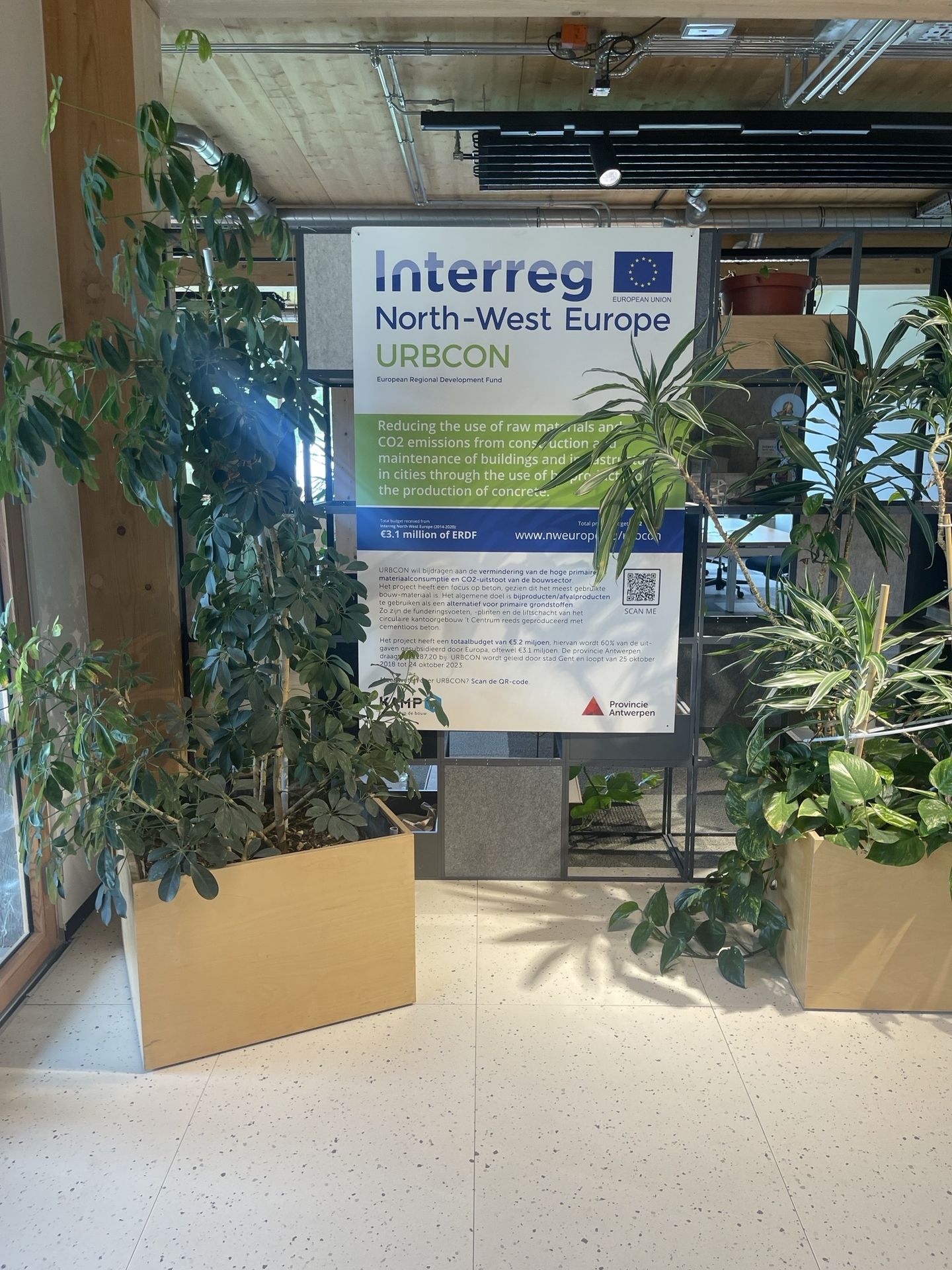
Kamp C has participated in several Interreg initiatives,
including PV Resilience, BEHOUT, BIOCAPP and Sustainable Summer Comfort.
These projects generated valuable knowledge on sustainable construction,
renewable energy, innovative materials and climate resilience.
By connecting pilot communities with organisations
that have already accumulated years of experience,
project results continue to create value beyond their original lifespan.
This is an important example of project capitalisation in practice:
knowledge generated in one European project can inform and strengthen another.
Creating a Shared Vision
One of the less visible but most important outcomes of study visits is the creation of a shared reference point.
When community members experience the same examples, hear the same explanations and discuss the same opportunities, it becomes easier to align expectations and ambitions.
For pilot communities, this shared experience can significantly improve future discussions and decision-making processes.
Participants return with a common understanding of what is possible and a stronger basis for collaborative action.
For organisations working with pilot communities, study visits should not be seen as optional extras.
They are valuable engagement tools that can:
- Increase understanding of energy transition concepts
- Build confidence among participants
- Stimulate new ideas and local initiatives
- Strengthen group cohesion
- Connect communities with existing expertise and project results
- Support the transfer of knowledge between European projects
Most importantly, they help bridge the gap between strategy and action.
Looking ahead
The visit of Energiedorp-op-den-Berg to Kamp C illustrates how learning experiences can support communities in their transition journey.
At CIRCUS, we believe that successful energy communities are built through participation, exchange and continuous learning. By connecting people with inspiring examples and existing expertise, we can help communities move from curiosity to confidence, and from confidence to action.
Because the energy transition becomes more achievable when communities can see, experience and learn from what already exists.