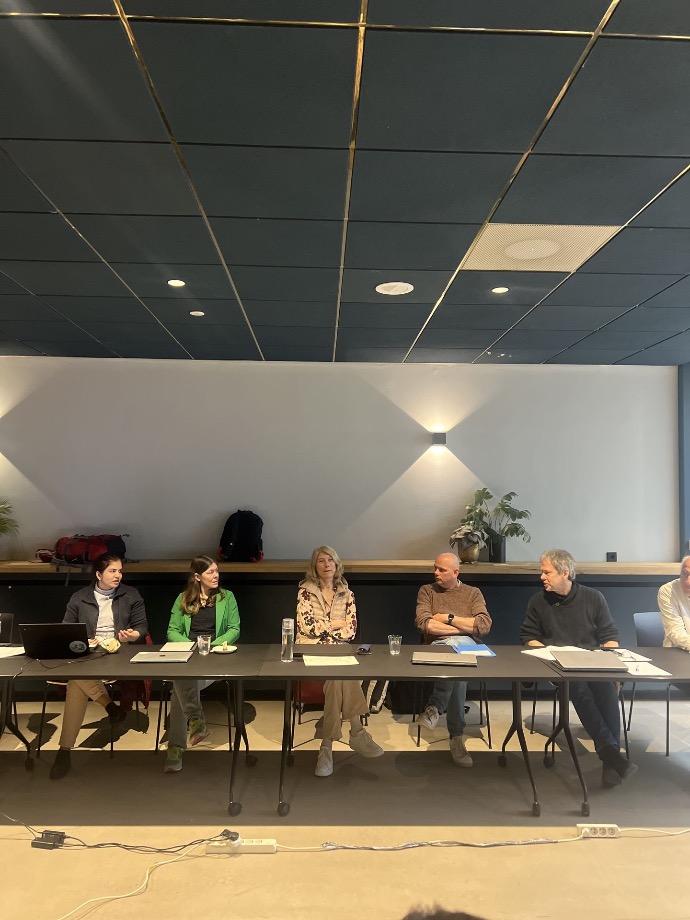
Partners of the CIRCUS project recently gathered in Roosendaal, hosted by ZLTO. The three-day meeting brought together partners from across North-West Europe to exchange experiences, reflect on progress and further strengthen the foundations of the project.
At the heart of the meeting was one key objective: learning from each other to improve how we support local energy communities.
A space for exchange and reflection
The partner meeting created a valuable space for open exchange between partners working in different regional contexts. Each partner shared insights from their pilot communities, highlighting both successes and challenges in engaging citizens, stakeholders and local authorities in the energy transition.
These exchanges are essential within the CIRCUS project. They allow partners to step beyond their local realities and gain new perspectives, while identifying common barriers and opportunities across countries.
Rather than working in parallel, the meeting reinforced a shared approach, one built on collaboration, trust and continuous learning.
Advancing and optimising the CIRCUS tools
A central focus of the meeting was the continued development and optimisation of the CIRCUS tools. These tools are designed to support local actors in initiating and strengthening energy communities, and their effectiveness depends on real-life testing and feedback.
Partners presented updates on the different tools, sharing how they are being used within pilot communities and where improvements are needed. Through constructive discussions, the tools were critically reviewed and refined, ensuring they remain practical, accessible and relevant across diverse contexts.
This iterative process — testing, reflecting and improving — lies at the core of the CIRCUS methodology.
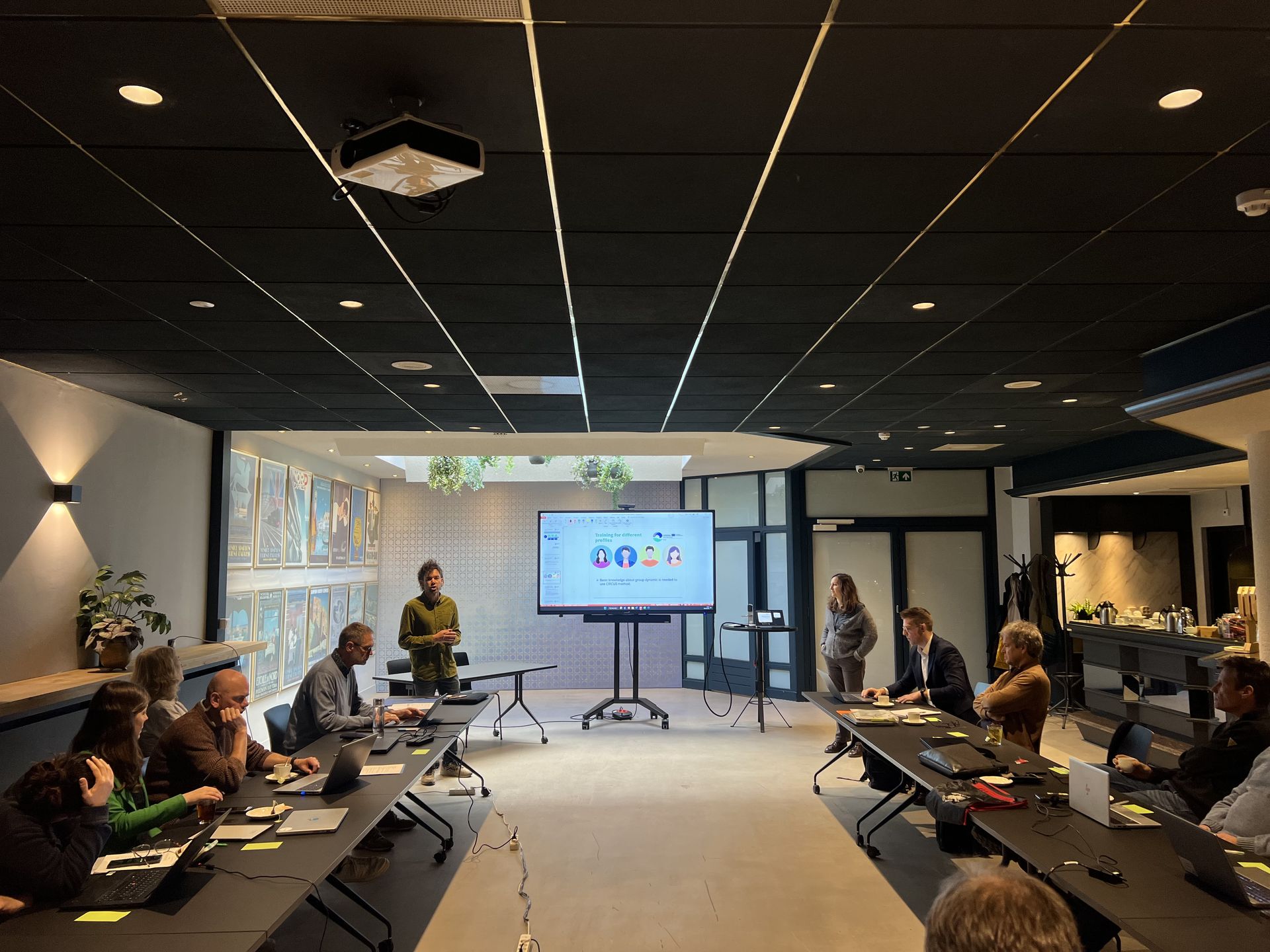
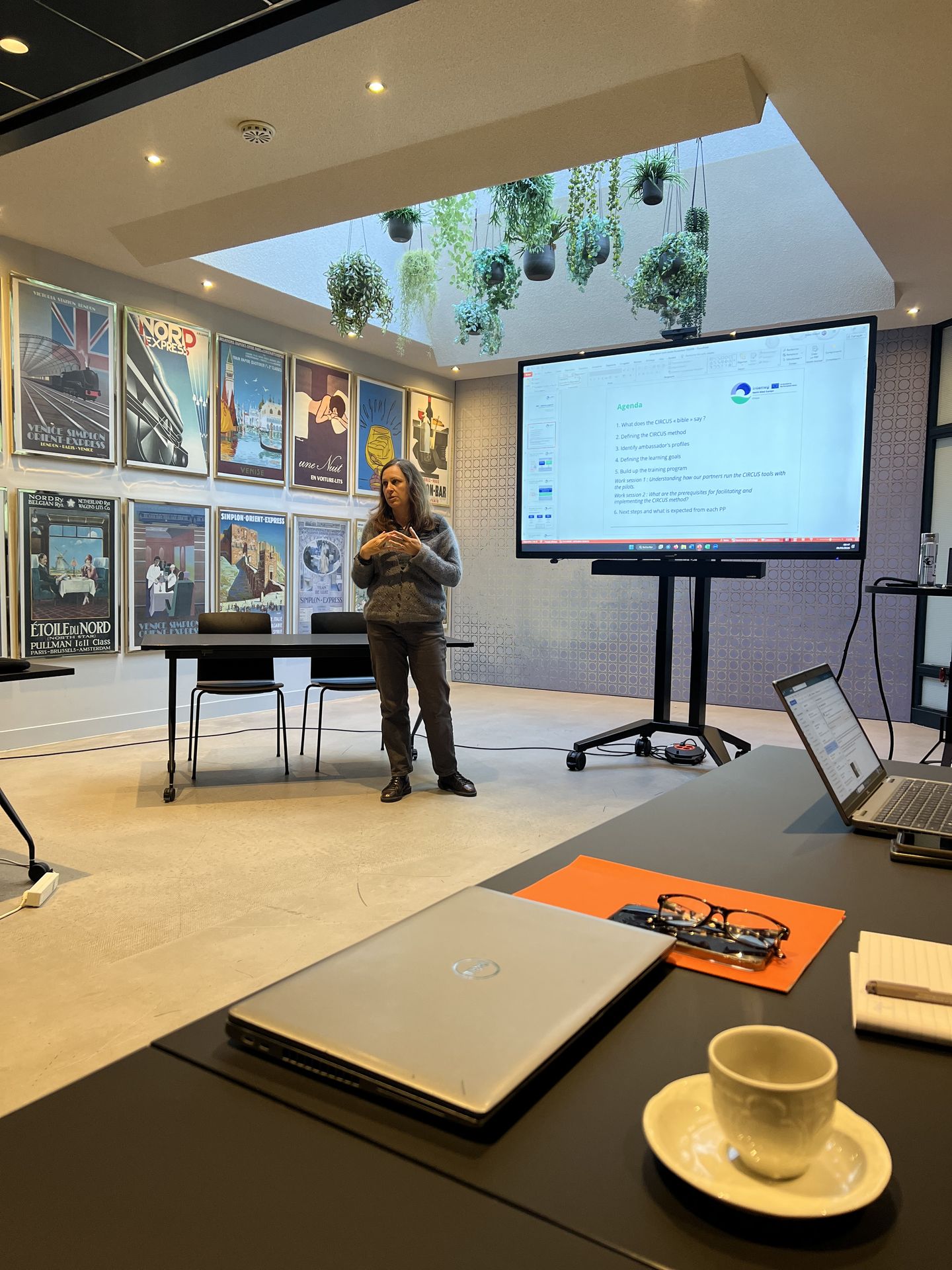
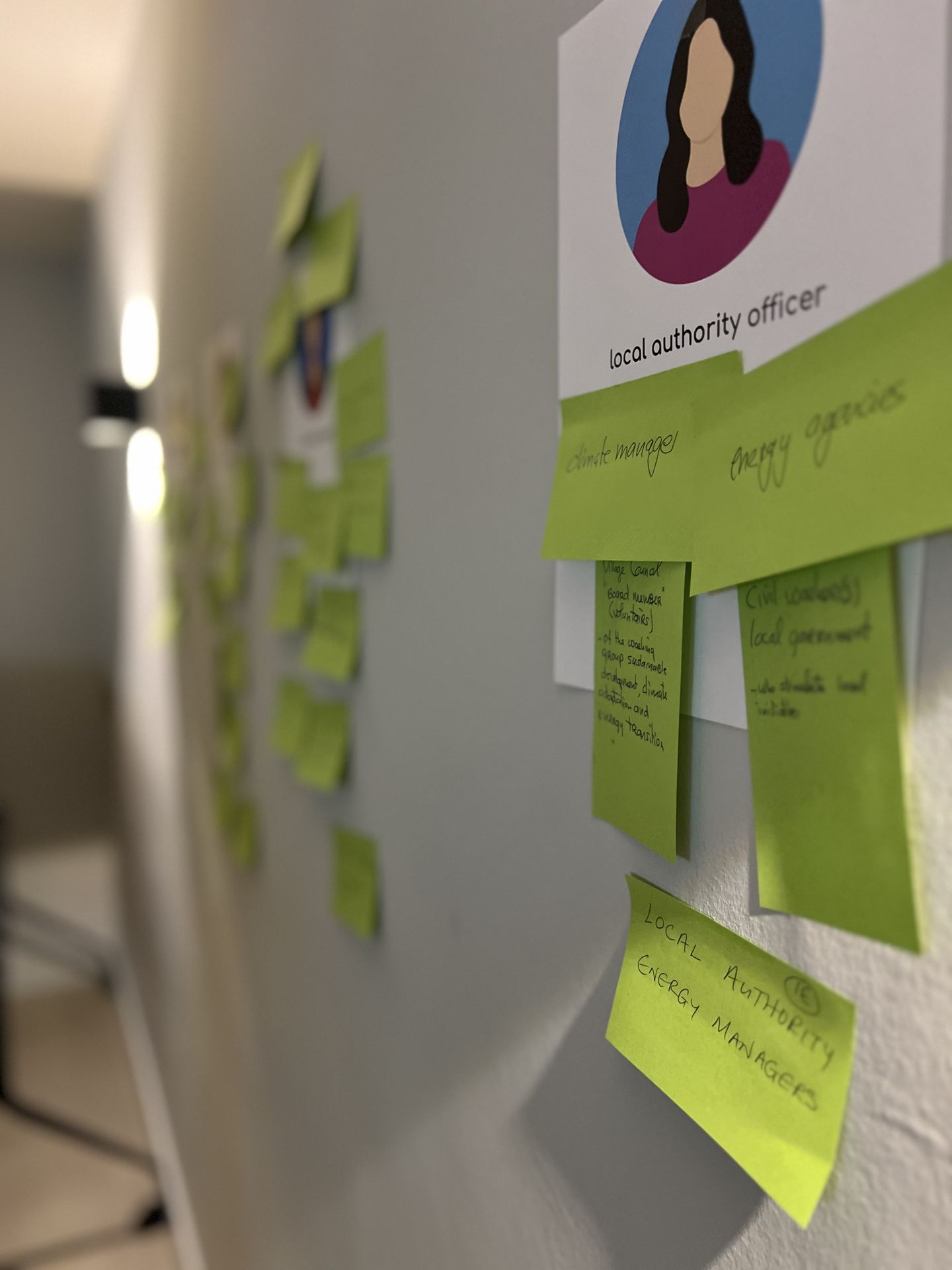
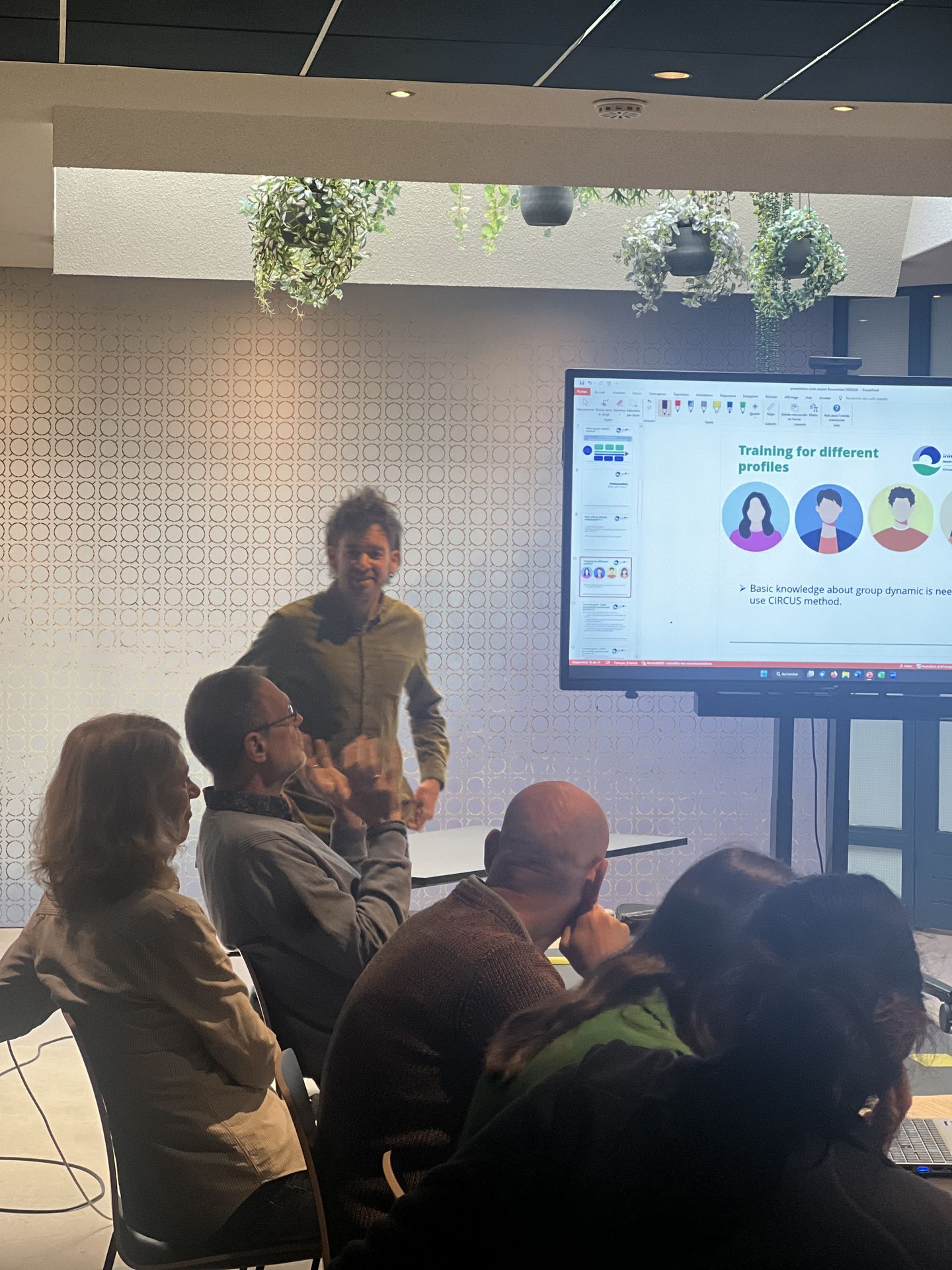
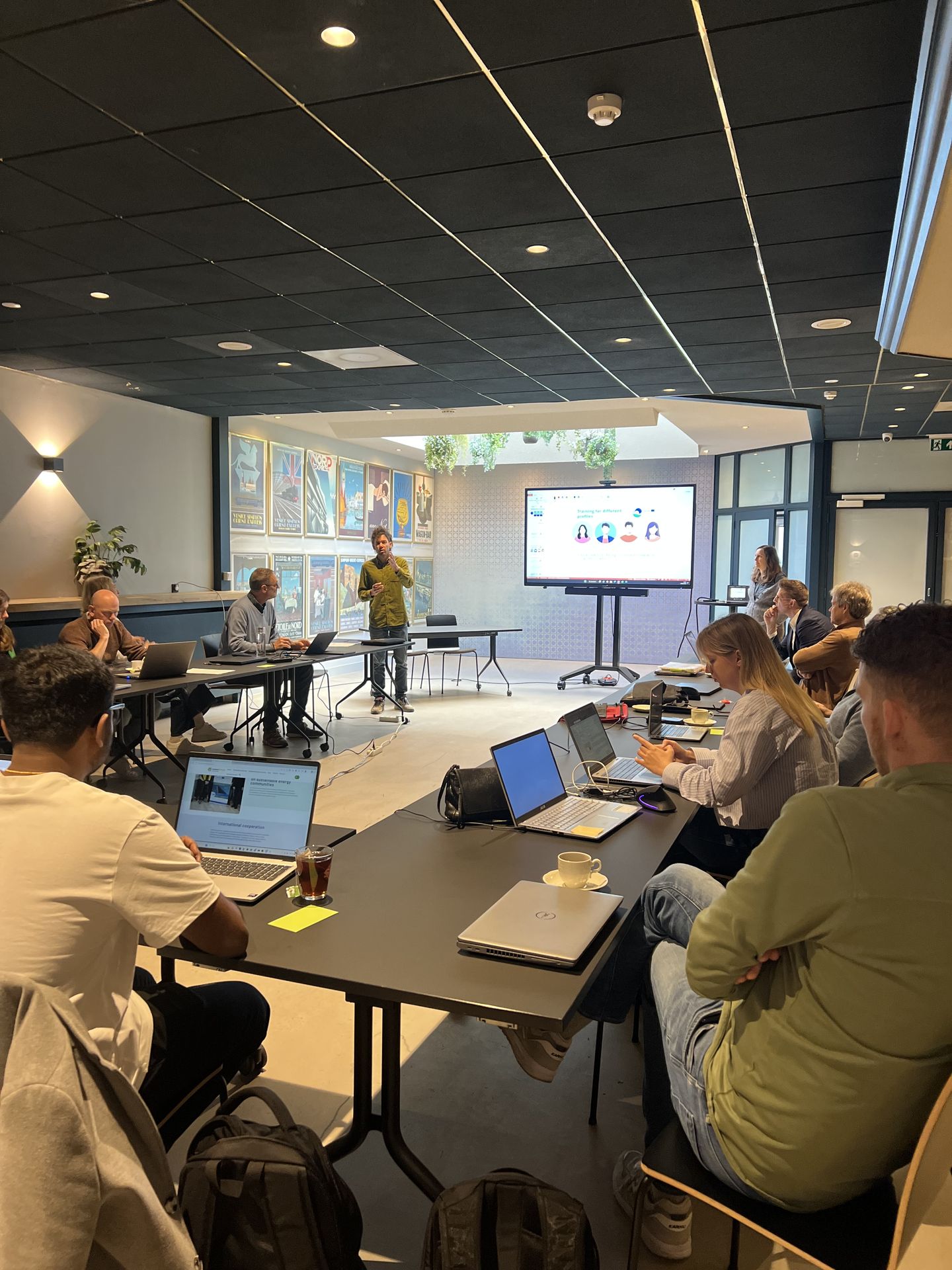
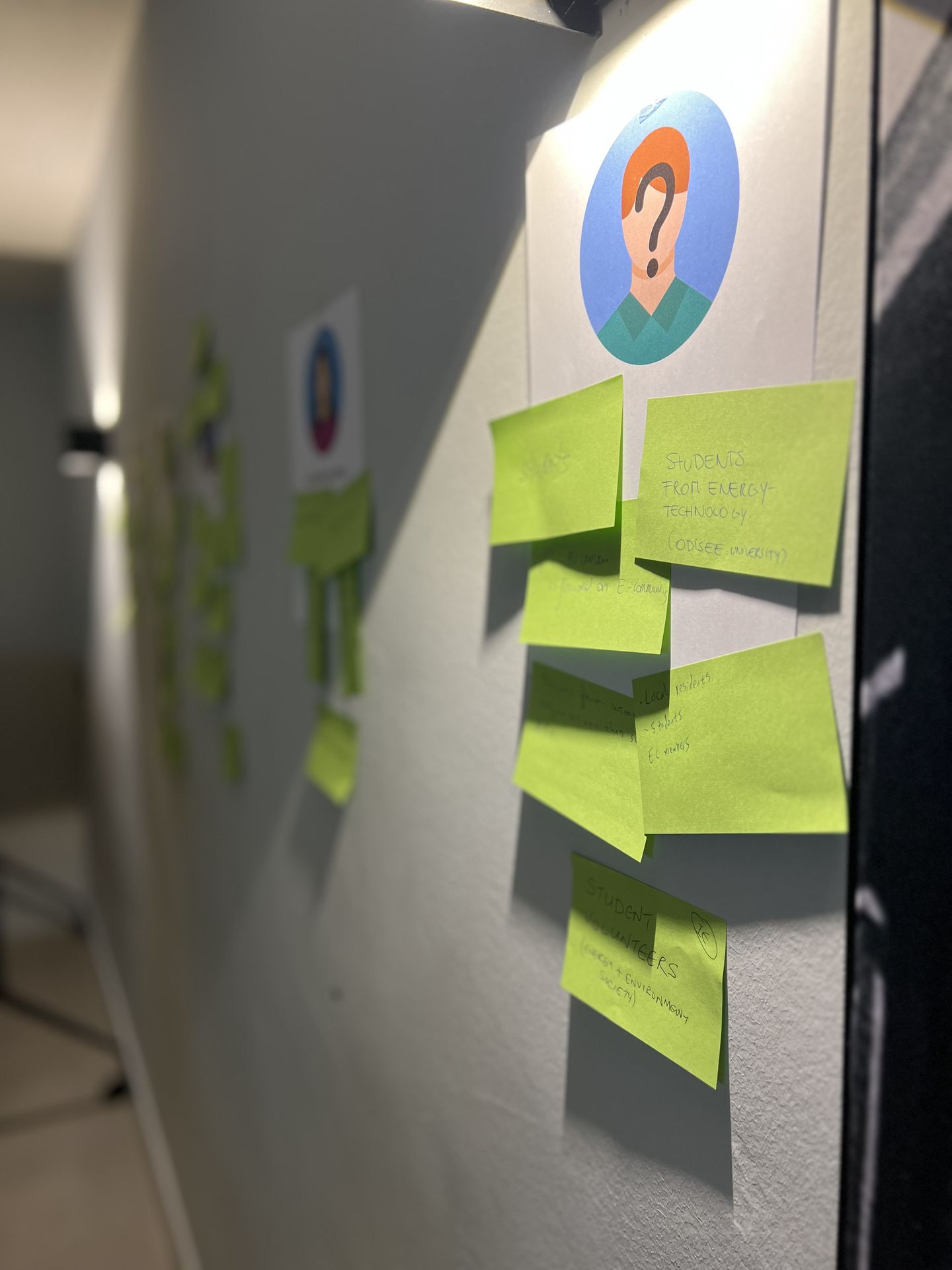
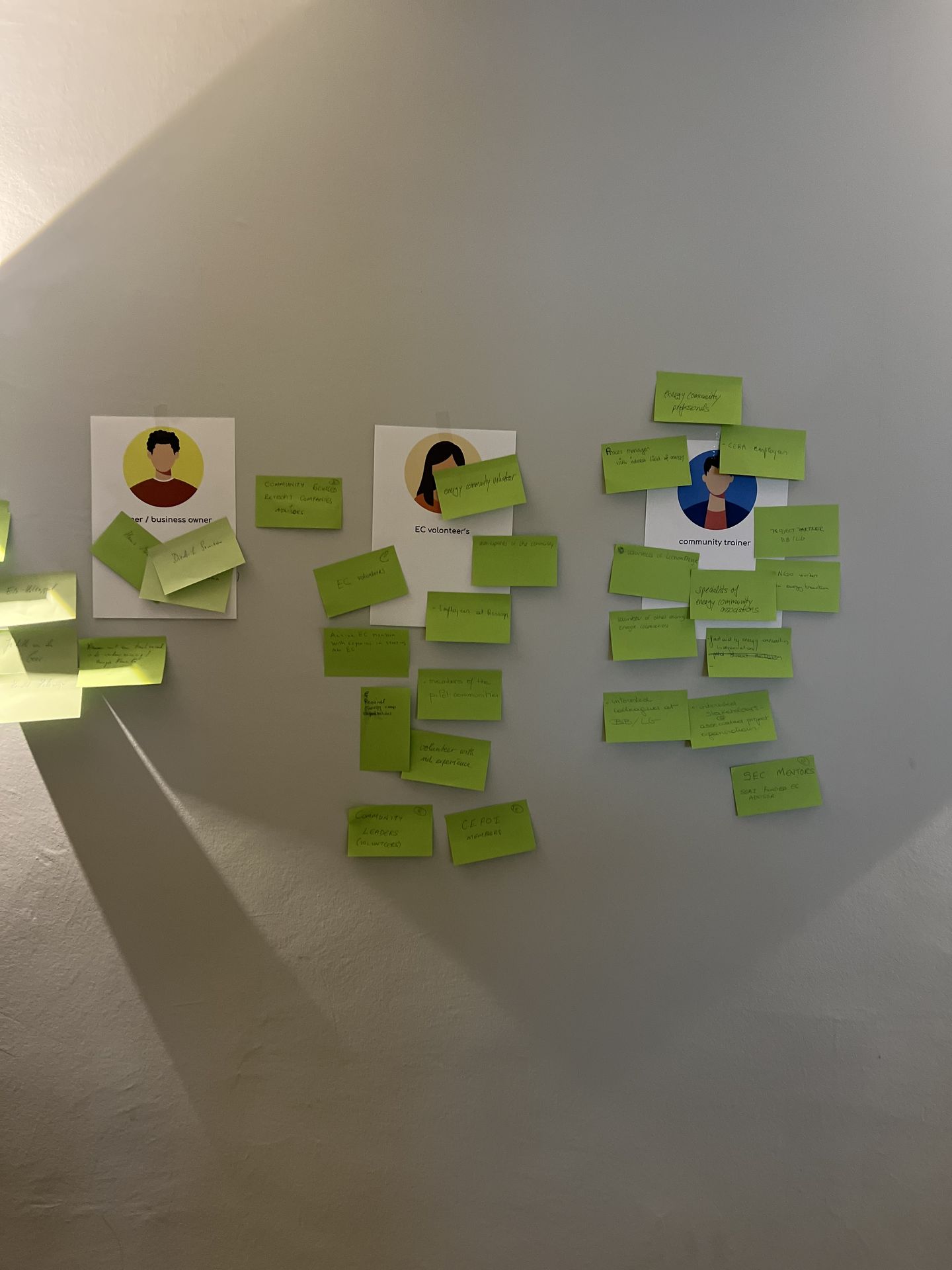
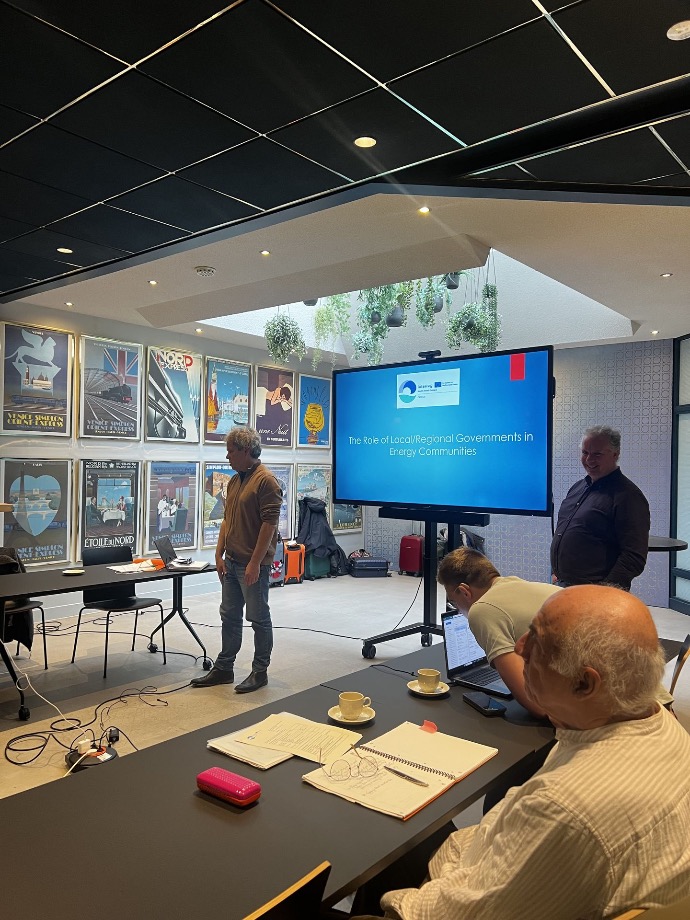
One of the highlights of the meeting was an interactive workshop focused on
the development of the CIRCUS training programme. Facilitated by the French partners, the session engaged participants in a hands-on co-creation process.
Through dialogue and group work, partners explored how the training can best support local facilitators, volunteers and stakeholders. The workshop emphasised the importance of adaptability, ensuring that the programme can respond to different local needs while maintaining a strong and coherent framework.
This collaborative approach not only strengthens the quality of the training, but also reinforces ownership among partners.
Learning beyond borders
The partner meeting once again demonstrated the added value of transnational cooperation. By bringing together diverse experiences and expertise, the CIRCUS consortium is able to accelerate learning and avoid working in isolation.
Partners shared practical knowledge on topics such as:
- engaging local policymakers
- activating communities
- facilitating participatory processes
- translating complex energy concepts into accessible actions
These shared insights directly contribute to improving both the tools and the implementation of pilot actions across all partner regions.
Connecting with the wider ecosystem
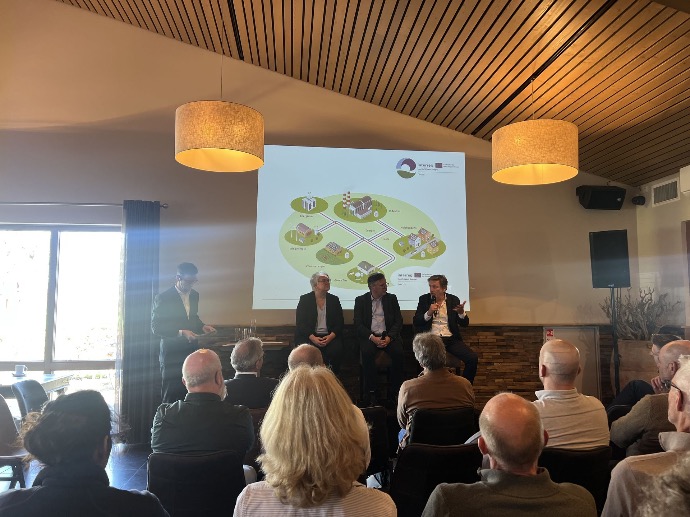
Alongside the partner meeting, participants also took part in the broader CIRCUS event, where stakeholders beyond the project were brought together to exchange knowledge on topics such as green gas, energy communities and policy frameworks.
The event created an opportunity to connect project learnings with external perspectives, reinforcing the relevance of the CIRCUS approach in a wider context.
More insights and key takeaways from this event will be shared soon.
Beyond the formal sessions, the meeting also strengthened the human connections within the consortium. Informal exchanges, discussions and shared experiences play a crucial role in building trust and maintaining motivation throughout the project.
The CIRCUS project is not only driven by methodologies and tools, but by the people behind them — partners who are committed to supporting local energy transitions in their regions.